

Grower experience highlights how precision weed control can help deliver cleaner seed, while Oregon State University results demonstrate 92% targeting accuracy and reduced herbicide use of just 2.9 gal/acre.
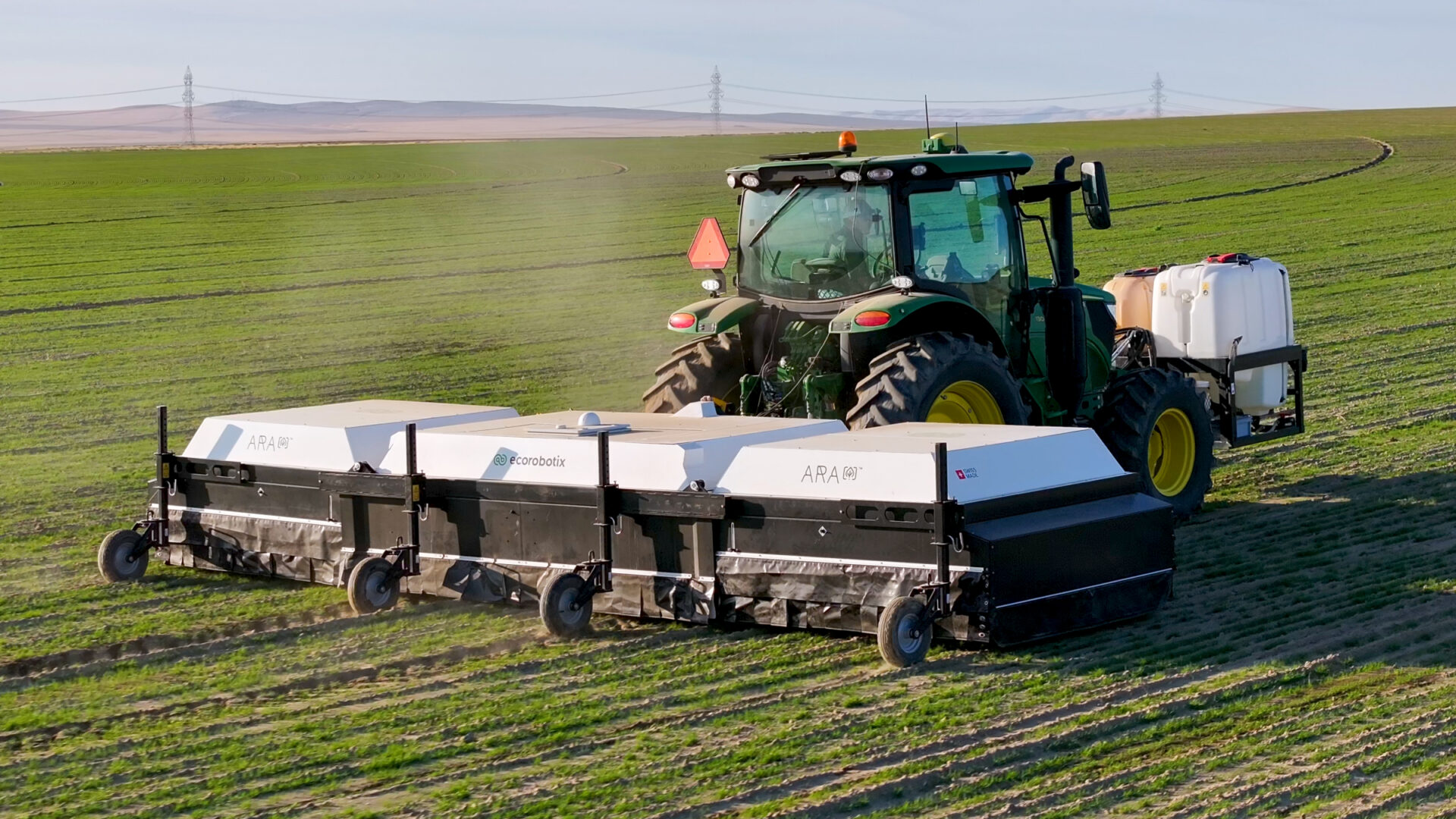
For Kentucky bluegrass seed growers, weed control is about more than protecting the crop in the field. Weeds such as annual bluegrass (Poa annua) and downy brome can contaminate harvested seed, create additional cleaning costs and reduce the value of the final crop.
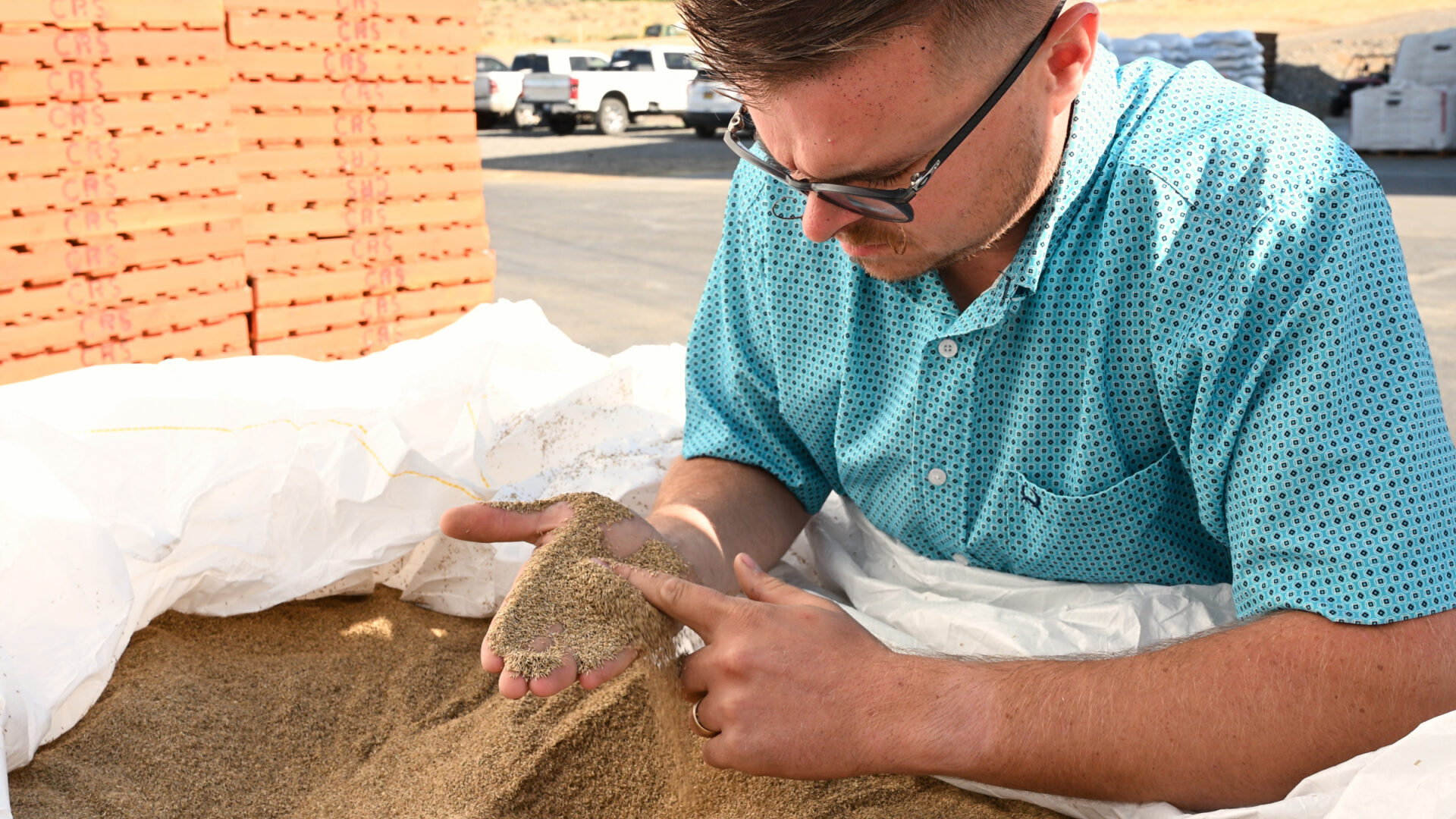
For Columbia River Seed Operations Manager Cody Gyllenberg, that challenge is particularly apparent once the crop reaches processing.

“One of the largest impacts to the grower is the cleaning side of processing the product that comes off the field.”
According to Gyllenberg, reducing contamination in the field can help his operation limit the amount of processing required after harvest. Traditional hand spraying, he says, can also be expensive, inconsistent and unreliable. (watch video)
“It’s actually how many times do we have to touch the product.”
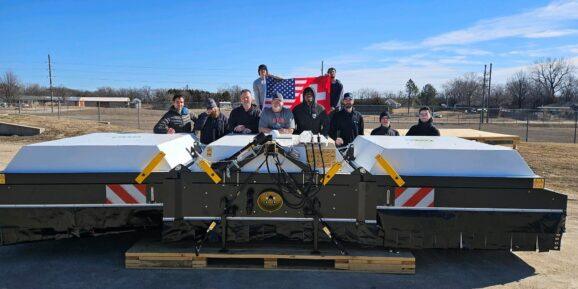
Gyllenberg says ARA™ has helped his operation achieve a more consistent, cleaner product entering the bag by starting with cleaner material coming from the field. His experience comes from a commercial grass seed operation and is separate from university research, but it highlights an important connection for growers: precision weed control can have an impact that extends beyond the field, potentially helping reduce contamination and processing demands at harvest.
Putting Precision to the Test
That connection between field-level weed control and seed quality is also reflected in research conducted by Oregon State University.
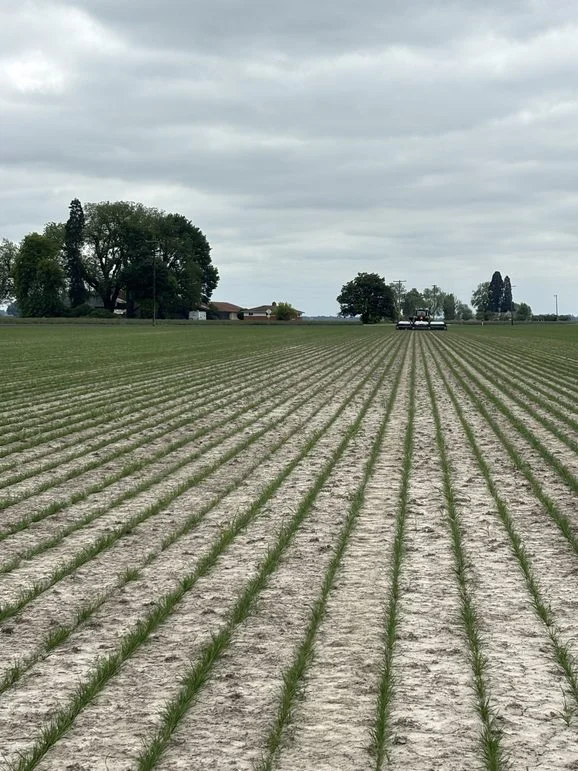
In 2025, Oregon State University and Ecorobotix evaluated the Ecorobotix ARA ultra-high precision sprayer at Hyslop Research Farm in Corvallis, Oregon, to explore how targeted spot spraying could help address weed pressure in established Kentucky bluegrass. The trial evaluated ARA’s ability to identify and target spray annual bluegrass within an established Kentucky bluegrass (Poa pratensis) stand. A non-selective herbicide was used, demonstrating the potential of precision applications to target weeds while limiting exposure to the crop.
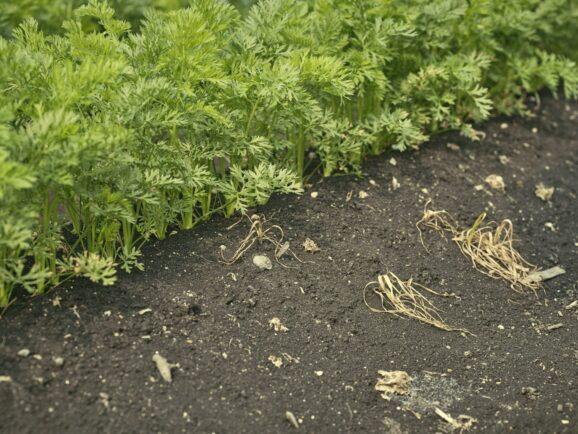
In the first iteration of the trial, ARA achieved an average 92% targeting accuracy for Poa annua within crop rows. Herbicide application averaged just 2.9 gallons per acre, approximately 13% of the conventional application rate used for comparison. The trial also showed a lasting suppression effect for 26 days after treatment. Weed density in ARA-treated plots was less than half the average density observed in untreated plots.
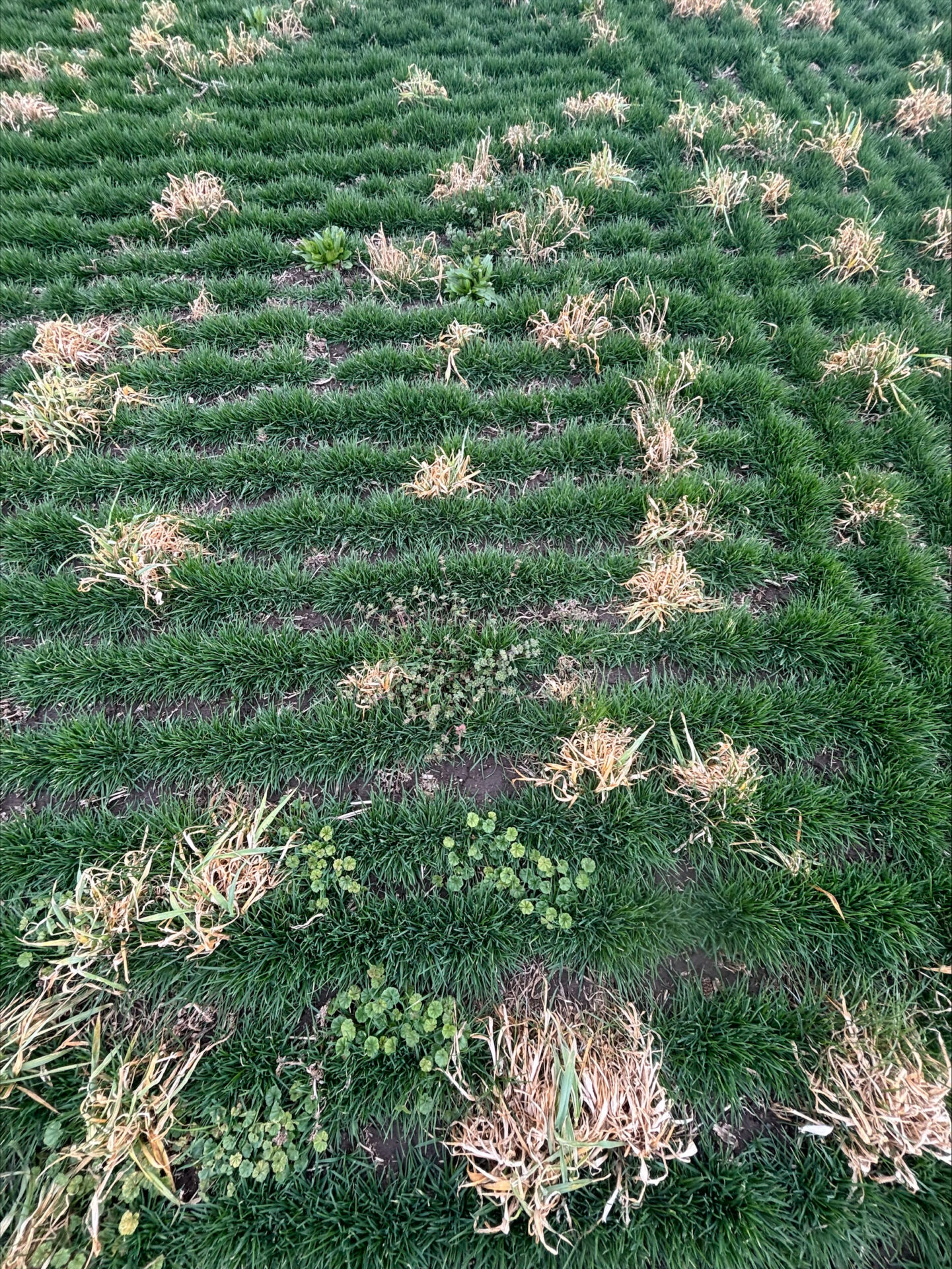
Together, these findings illustrate a different approach to grass seed weed management. Rather than relying solely on manual hand spraying or treating entire areas, growers can use machine vision and precision spraying to direct herbicide toward individual weeds.
From Field Control to Seed Quality
For grass seed growers, that precision can matter well beyond the application itself.
Starting with a cleaner crop can help reduce the amount of unwanted plant material that reaches harvest and, ultimately, the processing facility. When weeds are present at harvest, growers may need to rely more heavily on seed cleaning and processing to separate unwanted material from the crop. Reducing weed pressure before harvest can therefore help growers begin the processing stage with cleaner material.
This is where precision weed control connects field management with seed quality. By identifying and targeting weeds while they are still growing in the crop, ARA can help growers address potential sources of contamination before they reach harvest.
Gyllenberg’s experience illustrates what that can mean from an operational perspective: the value of weed control is not only measured by what happens during spraying, but also by how much unwanted material reaches the processing line afterward.
Beyond Annual Bluegrass
Poa annua was the primary weed targeted in the Oregon State University trial because of the particularly heavy pressure in the Willamette Valley. Weed challenges vary considerably by region, however. Downy brome, for example, is a major concern in other Kentucky bluegrass production areas.
In 2026 Kentucky bluegrass trials in eastern Oregon, ARA spot spraying targeting downy brome averaged 98% targeting accuracy, compared with 85% for manual spot spraying.
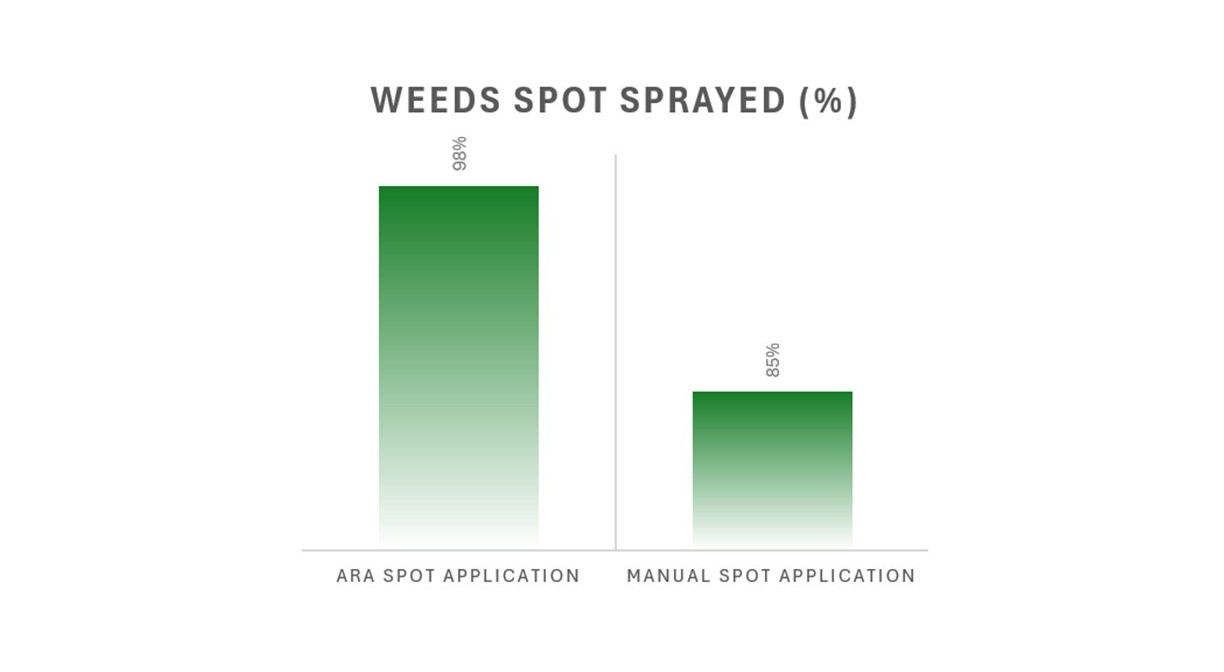
Kentucky bluegrass trials in eastern Oregon (La Grande) targeting downy brome:
(1) ARA spot spraying averaged 98% targeting accuracy.
(2) Manual spot spraying averaged 85% targeting accuracy.
(3) ARA demonstrated higher weed-identification accuracy under the conditions of the trial.
For growers facing costly hand labor, difficult-to-control grass weeds and the risk of seed contamination, these results point to another potential application for ARA in Kentucky bluegrass production. The goal is not simply to spray less. It is to put the right treatment in the right place, helping growers address weeds while they are still in the field, with the potential to protect crop quality and reduce unnecessary chemical use and manual intervention.
Trial results are not necessarily representative of all locations or conditions. ARA performance can vary according to local conditions, materials used and applicator proficiency. Before applying any material with the ARA, consult the product label and comply with all applicable local, state and federal regulations. It is a violation of Federal law to apply any pesticide in a manner inconsistent with its labeling.
Ready to see what ARA could do in your Kentucky bluegrass fields?