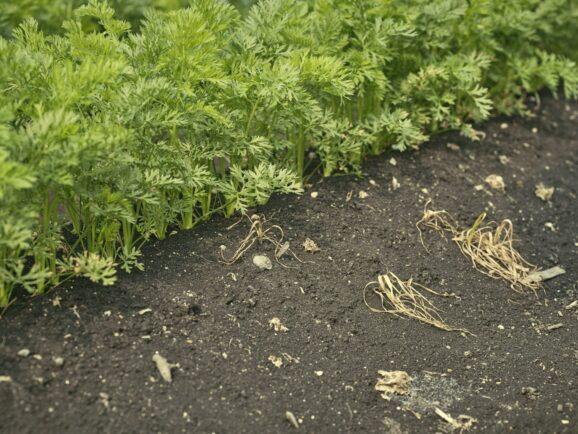


Oregon State University and Ecorobotix trial demonstrates precision targeting of Poa annua and Italian ryegrass while reducing spray volume to 3.63 gallons per acre, saving 84% across the field.
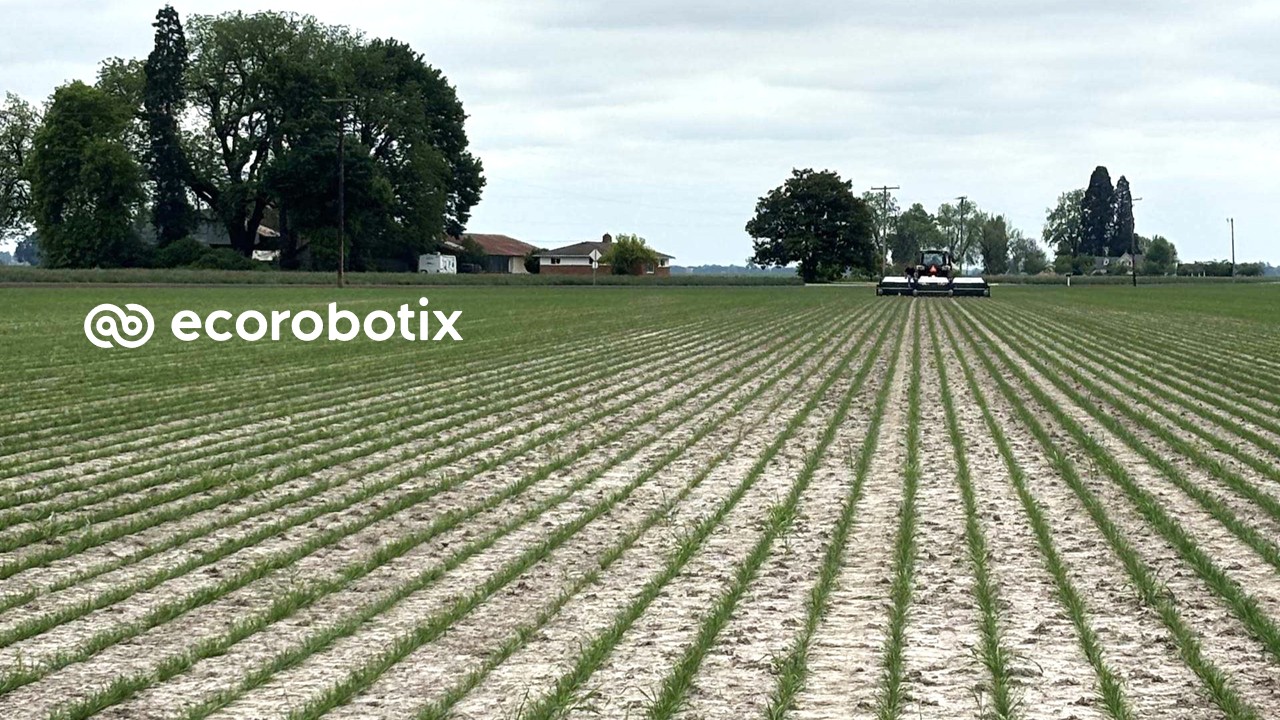
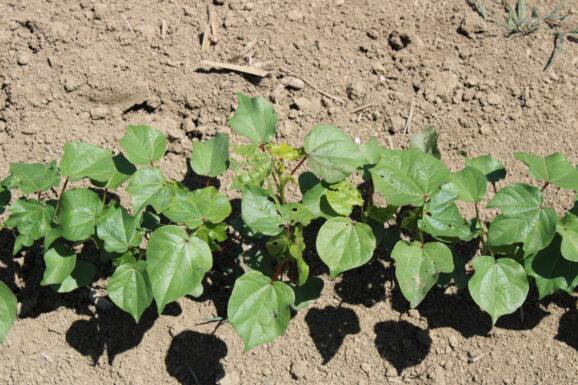
For Willamette Valley grass seed growers, Poa annua (annual bluegrass) and Lolium multiflorum (Italian ryegrass) are particularly problematic weeds. They can contaminate seed, increase cleaning costs, and compete with the crop, making effective control an important part of producing high-quality grass seed.
Yet controlling these grassy weeds within an established tall fescue stand is challenging. Non-selective herbicides can control the weeds but may also damage the crop, while hand spot-spraying is labor-intensive, costly, and difficult to scale.
The ARA UHP™ Sprayer offers another option: automatically identify and target individual weeds while leaving the surrounding crop untreated.
Proven in Tall Fescue
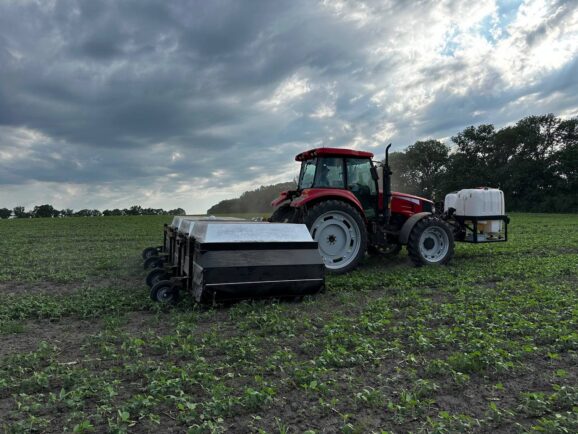
In a 2025 trial at Hyslop Research Farm in Corvallis, Oregon, Oregon State University and Ecorobotix evaluated ARA's ability to identify and treat Poa annua in tall fescue using a targeted application of glyphosate.
In the first iteration of the trial, ARA consistently targeted and sprayed 88% of weeds growing both in and between rows, including Poa annua and Italian ryegrass. Because ARA only sprayed where weeds were detected, total application volume was 3.63 gal/acre. ARA achieved an average 87% kill rate on targeted weeds, while keeping herbicide application focused on detected weeds rather than treating the entire field.
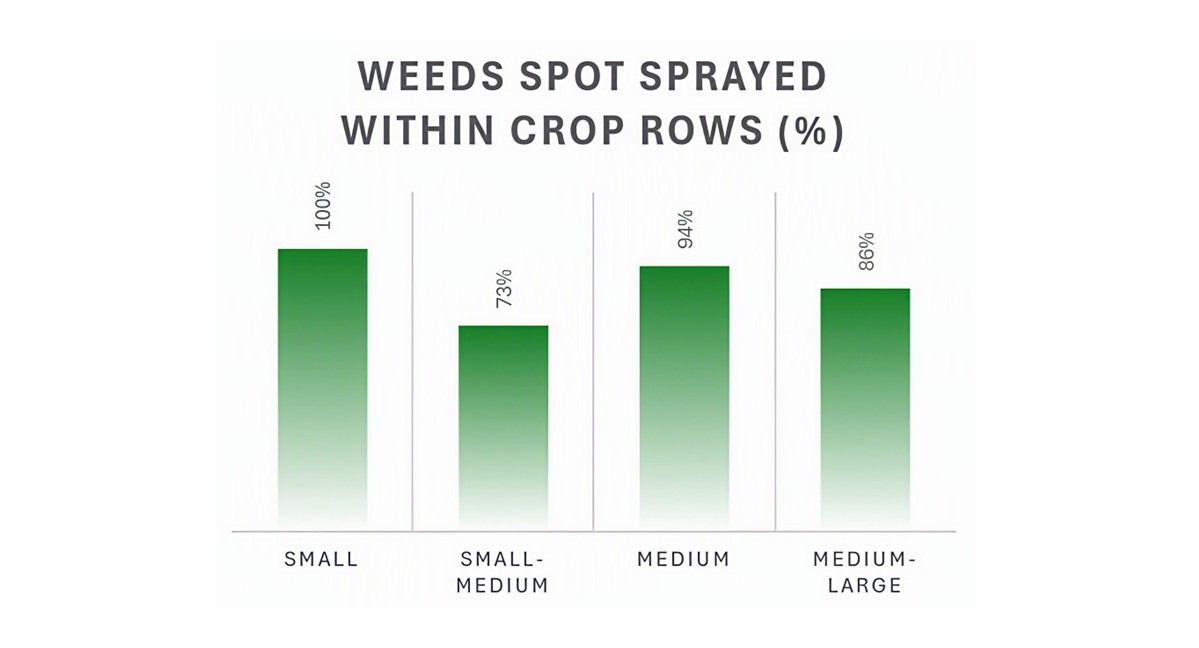
The strongest results occurred when weed cover was below 10%, highlighting an important advantage of acting early: identifying and treating scattered weeds before they develop into a dense canopy.
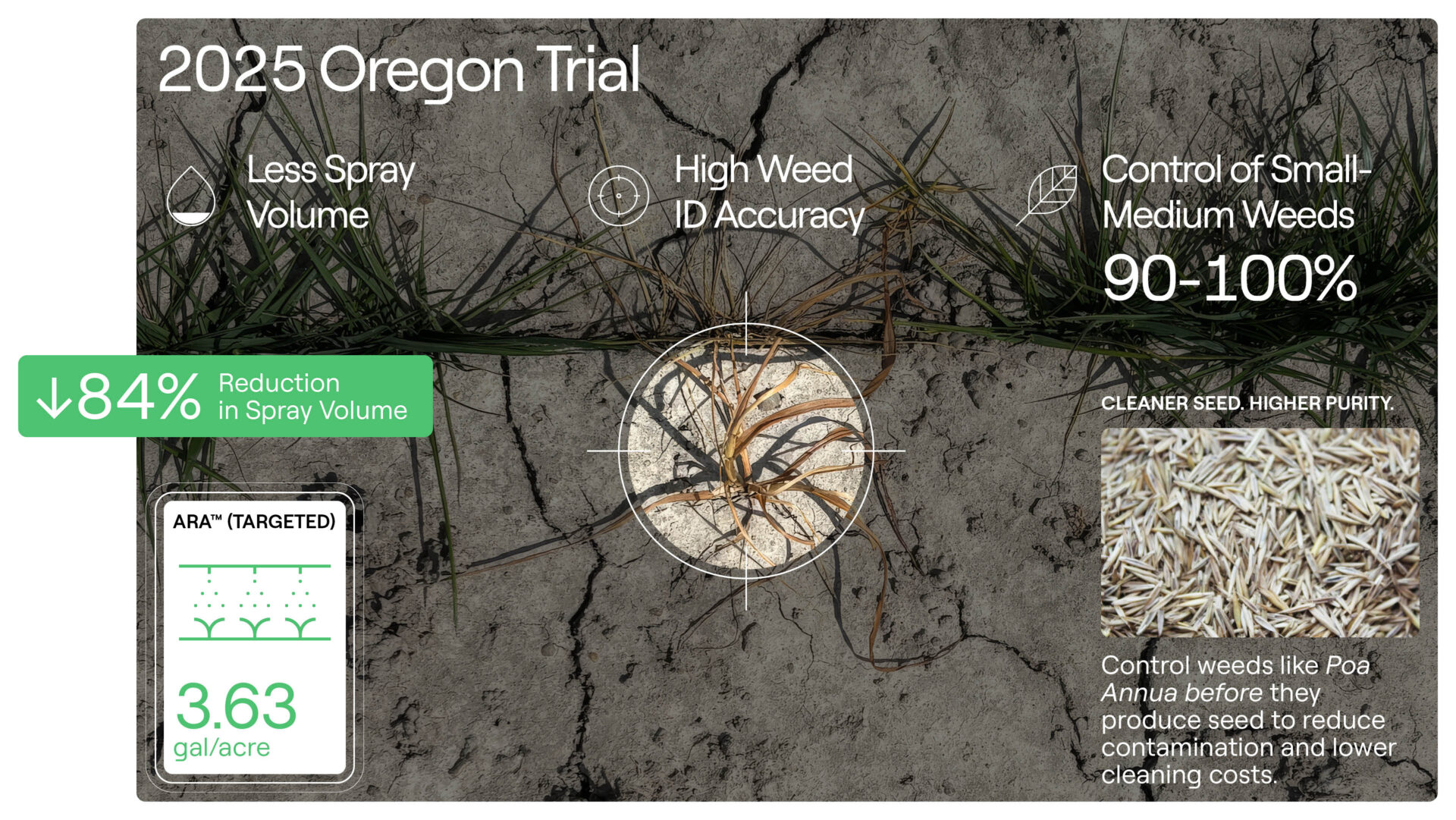
Precision Weed Control Can Protect Seed Purity
For growers, the value of ARA goes beyond applying less spray. By identifying individual weeds and treating them precisely, ARA can help growers address problematic weeds. This targeted approach can reduce unnecessary crop exposure while putting treatment where it is needed most.
That precision can also have an important downstream benefit: seed purity.
Controlling weeds such as Poa annua before they produce seed can help reduce sources of contamination that contribute to costly seed cleaning. For grass seed growers, preventing weeds from establishing and producing seed can therefore protect both crop quality and the value of the harvested seed.
ARA automates a task that has traditionally required workers to scout fields and spot-spray scattered weeds. With automated precision spraying, growers can cover the field while selectively targeting individual weeds, reducing the need for labor-intensive scouting and treatment.
The Economics of Precision
The potential value of ARA goes beyond using less spray. Economic modeling for a 1,000-acre grower shows a potential return on investment in about 1 year, based in part on reduced labor needs. The estimate assumes two manual weeding passes per season and an 85% reduction in labor compared with conventional practices. These results show how precision weed control can create value by reducing labor and targeting weeds more precisely.
These economic projections are based on the broader case-study analysis and should not be interpreted as results from the 2025 OSU field trial alone.
A Precision Tool for Tall Fescue Growers
ARA isn't designed to replace a grower's entire weed-management program. Instead, it provides an automated alternative to manual spot spraying when weeds are scattered throughout an established crop, precisely targeting weeds while minimizing unnecessary herbicide exposure to the surrounding crop.
The 2025 Oregon trial demonstrates the potential of this approach, combining automated weed detection and targeted treatment with substantially lower spray volume. For grass seed producers, the opportunity is to find weeds earlier, treat them precisely, reduce unnecessary spraying, and help protect seed purity.
Ready to see what ARA could do in your tall fescue fields? Contact Ecorobotix to schedule a demo.