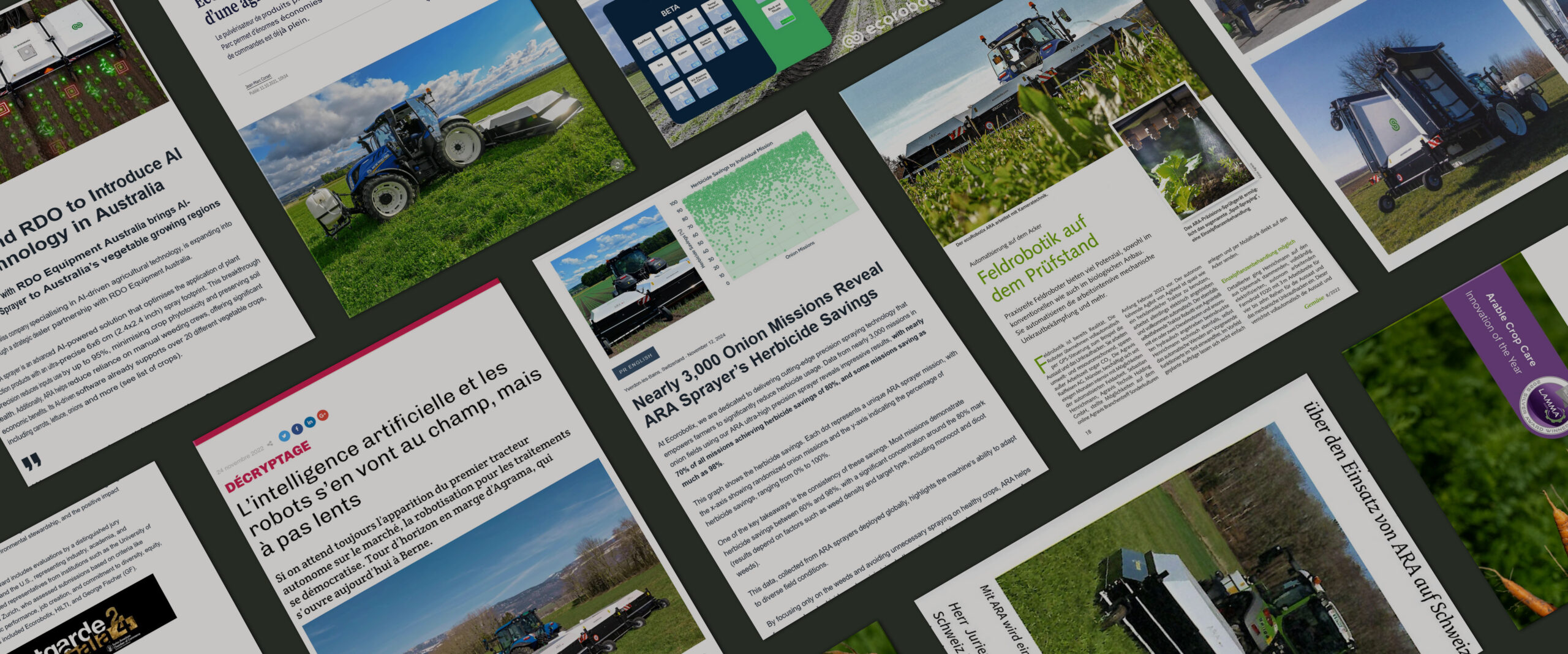


L & L Ag Production uses ARA to target weeds, reduce herbicide use and labor, and explore a more targeted approach to crop protection in onions, alongside results from onion trials in the U.S. and Europe.
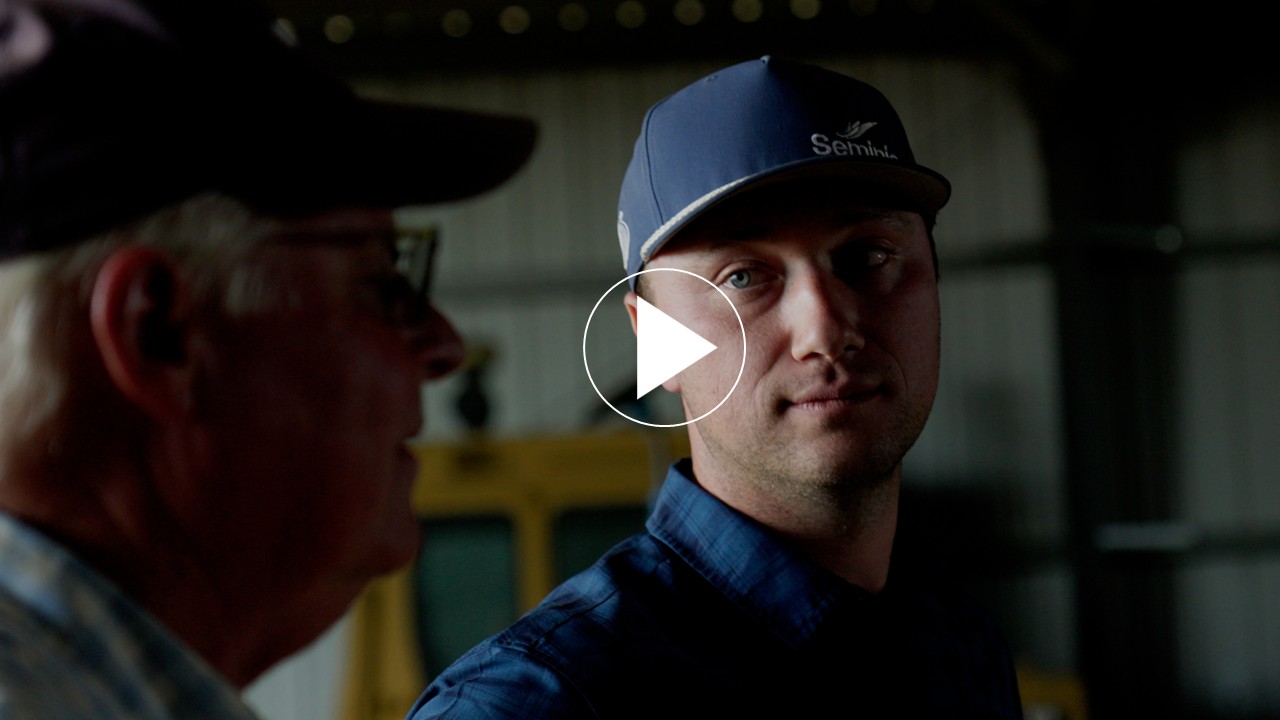
For Cody Anderson of L & L Ag Production in Connell, Washington, the idea of targeted spraying is not new. It is something he had been thinking about long before technology existed to make it possible.
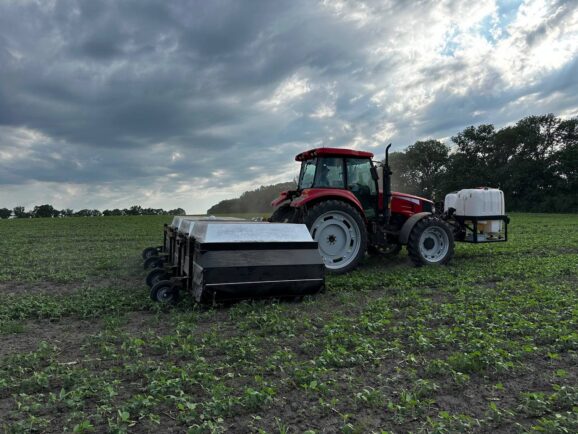
Founded in 1980, L & L Ag Production has been farming in the region for 45 years, growing onions alongside a variety of vegetable seed crops. For the past two years, the farm has been using the ARA Ultra-High Precision sprayer from Ecorobotix across its crops, incorporating the technology into its approach to weed control.
“We've been asking for something like the ARA for forever,” says Cody. “I can remember standing in an onion field, with volunteer potatoes growing in it, and just thinking: if somebody could make a machine that would just spray those potatoes. We don't need to spray the whole field.”
Volunteer potatoes are among the farm’s more challenging weeds to manage. At the same time, herbicide resistance is an increasing consideration for onion growers, particularly where the same chemistries have been used repeatedly over many years. For L & L Ag Production, ARA provides another option: treating individual weeds rather than applying a broadcast treatment across the entire field. (See ARA in onions)
The approach gives the farm greater flexibility in its weed-control strategy. For example, targeted applications can allow growers to consider different herbicides or application rates for specific weed populations without necessarily applying those treatments across the whole field. The difference in application volume can also be significant. Cody estimates that ARA applications on the farm typically use around 3–12 gallons per acre, compared with approximately 40–50 gallons per acre for a broadcast application.
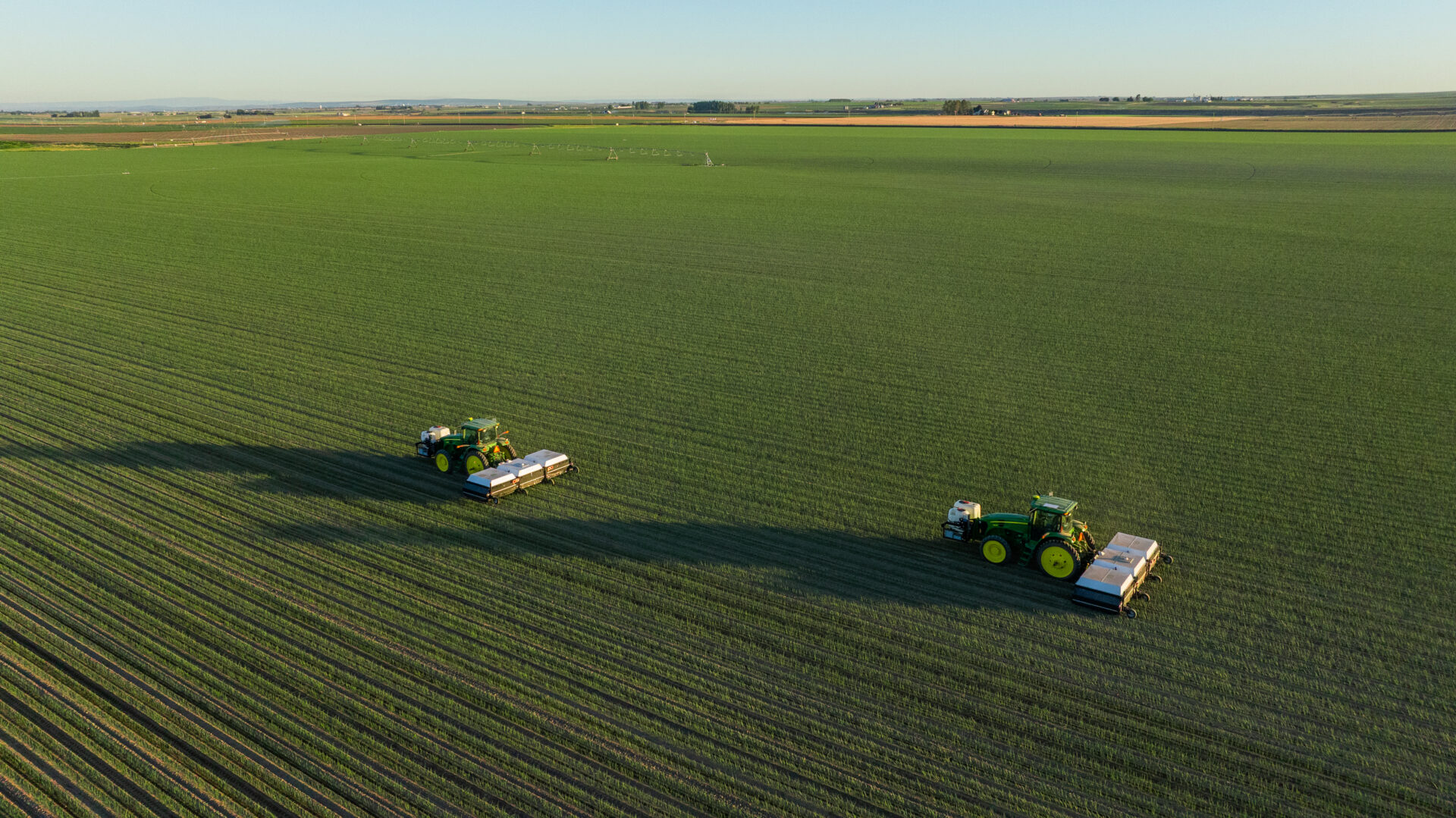
Labor is another consideration. On a 140-acre field, Cody says two ARA machines can complete the work in a day with only two people. A comparable targeted-weeding operation could take most of a week, while manual weeding would require a crew of 30–40 people working for several days.
“For us, this one has been a no-brainer with the savings and some of the labor,” Cody explains. “You’re just so surprised at how effective it [ARA] is and the job that it does.”
Looking Beyond One U.S Farm
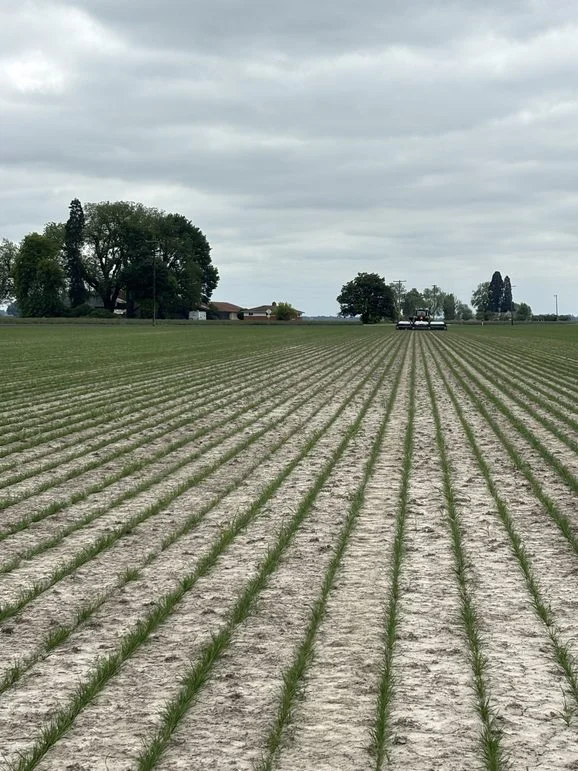
The experience at L & L Ag Production is consistent with a growing body of field experience using ARA’s precision spraying in onions. Today, more than 100 ARA sprayers are being used across onion production in the United States, giving growers and agronomists an expanding base of real-world experience with plant-by-plant precision spraying.
Onions have been a focus crop for Ecorobotix since the early development of its technology. Over the past decade, the company has collected field data and conducted trials across onion-growing regions in the United States and Europe, including differing weather, soil types, and farming methods. This work has contributed to the development of ARA’s onion crop model and provided opportunities to evaluate Plant-by-Plant AI detection™ in a range of production systems.
Recent trials in the U.S. Southeast provide one example. In transplanted onions, the trials recorded an average reduction in herbicide use of around 60% compared with broadcast applications. The trials also reported differences in weed control and crop phytotoxicity, with the targeted approach showing reduced crop injury under the conditions tested. The trials recorded fewer unmarketable bulbs as well, with a reported reduction of 32% in 2024–25 and 49% in 2025–26. Higher yields were also recorded alongside the reduced crop injury.
These results are specific to the trial conditions and should not necessarily be interpreted as outcomes that will occur in every field. However, they illustrate the potential of precision spraying as another tool for growers managing weeds in transplanted onions.
The underlying principle is straightforward: rather than treating an entire acre uniformly, ARA uses computer vision to identify weeds and direct treatment toward individual plants. For growers dealing with herbicide resistance, input costs and labor constraints, this approach may offer another way to allocate crop-protection inputs, applying treatment where weeds are present while reducing applications to areas that do not require them.
Experience Across Onion Fields Worldwide
The U.S. results add to field experience gathered through ARA onion missions from across the world. Across nearly 800,000 acres, Ecorobotix reported herbicide savings of up to 95%, with plant protection product use reduced by 80% in most cases.
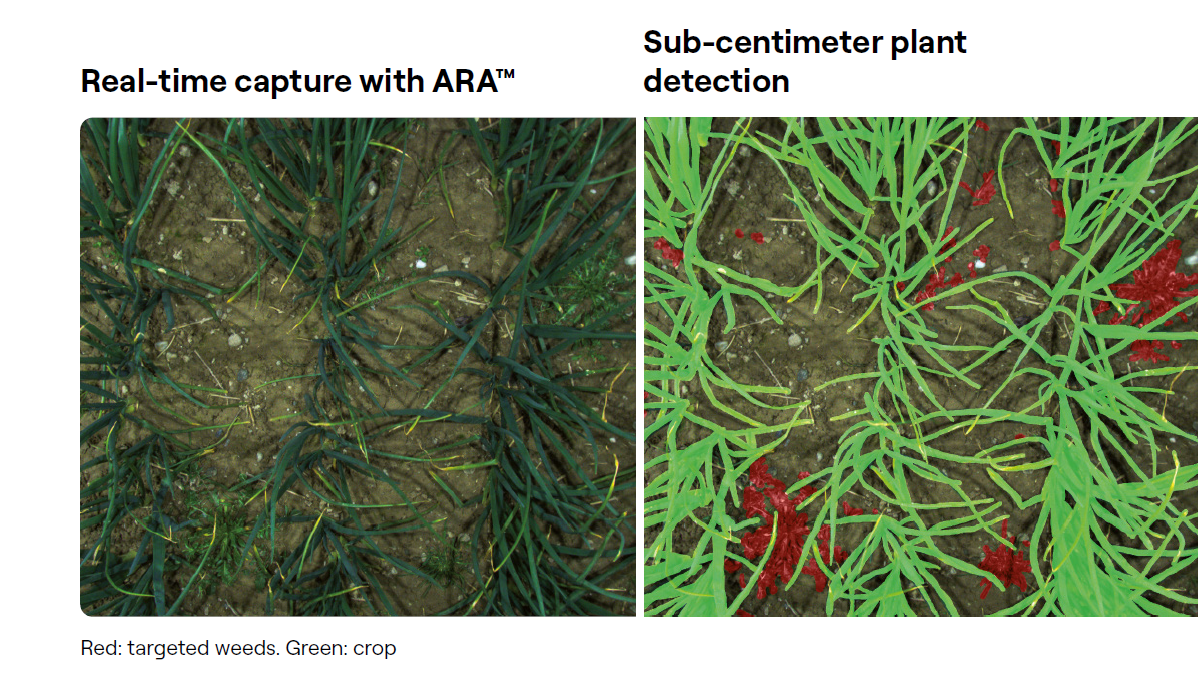
The results come from a range of commercial field missions rather than a single controlled trial, and application savings vary depending on weed pressure, field conditions, crop stage, and other factors. One of the potential advantages of targeted spraying in onions is the ability to detect weeds within the crop rows. This can allow growers to focus on weeds that might otherwise be difficult to address without treating surrounding onion plants.
Reducing the area treated can also reduce the overall amount of plant protection products applied to the field. In some conditions, this may help limit unnecessary crop exposure and associated phytotoxicity, although outcomes will depend on the crop, product, rate and environmental conditions.
From a Long-Standing Challenge to a New Solution
The idea Cody remembers having while standing in an onion field, a machine that could spray volunteer potatoes without treating the entire field, has become a tool the farm can use as part of its day-to-day weed-control program. After decades of conventional broadcast applications and manual weed control, ARA gives the farm another option for addressing difficult weeds while managing herbicide use and labor requirements.
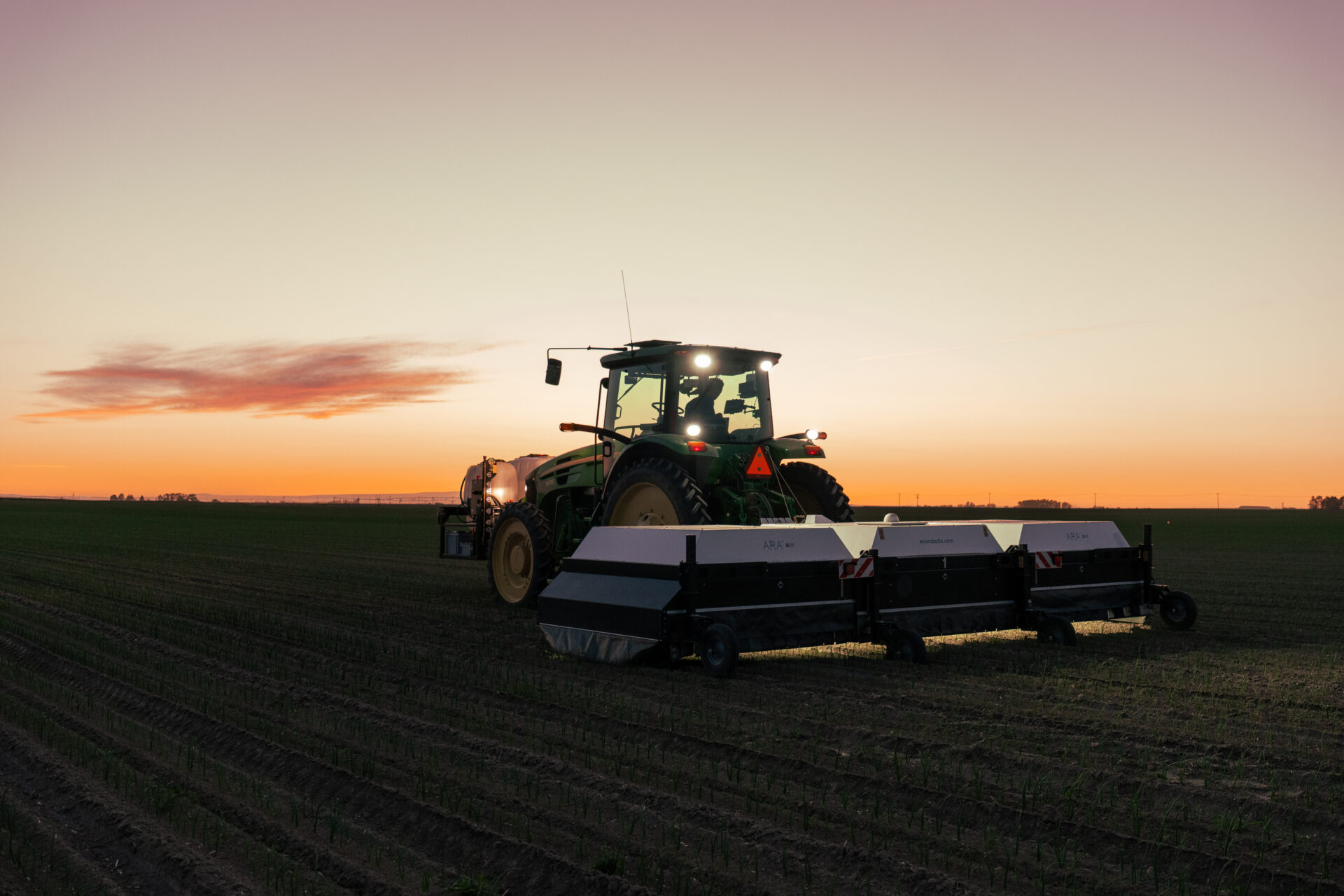
And L & L Ag Production is one example of a broader shift in how precision spraying is being explored in onions. Field experience from the U.S. and Europe suggests that when weeds can be identified and treated individually, growers have an opportunity to use crop-protection inputs more selectively rather than applying them uniformly across the entire field.
The approach is not about replacing every existing weed-control practice. Instead, it adds another tool to the grower’s toolbox, one that can help target weeds where they are found, reduce unnecessary applications, and potentially ease some of the labor and input pressures associated with conventional weed control.
For growers facing similar challenges, the next question is not simply whether targeted spraying works, but where it could fit within their own production system. Interested in seeing what targeted spraying could look like in your onion fields?
Visit (link)