

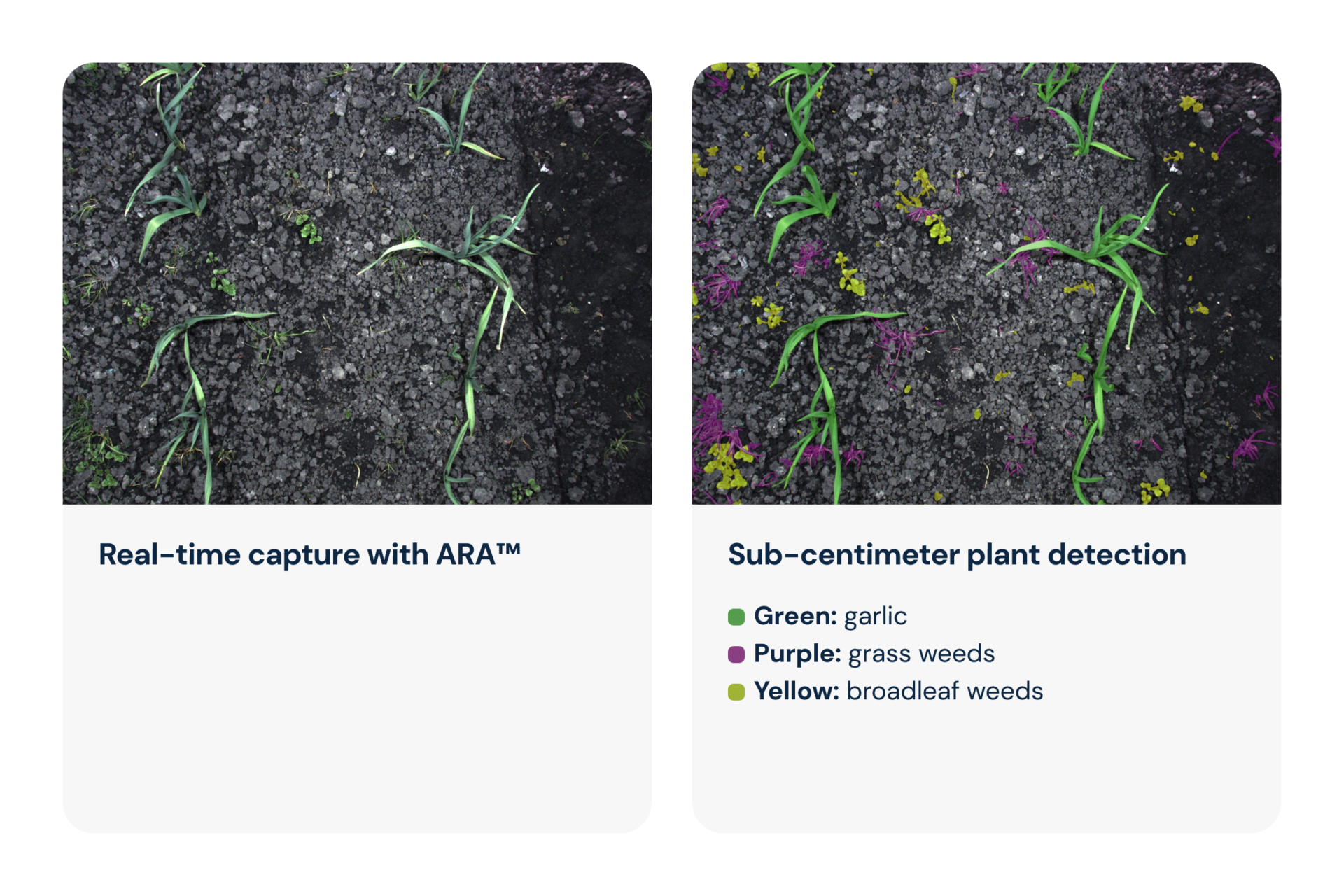
Weed management is one of the biggest challenges in garlic production. Garlic grows slowly and struggles to compete with weeds, making it crucial to keep weeds under control throughout its growing season. Yet growers have limited options for controlling weeds without risking crop damage, increasing labor costs, or applying herbicides where they are not needed.
For garlic growers in California and other Southwestern production areas, these challenges can be particularly relevant. Garlic is a specialty crop with a relatively limited range of registered weed-control products, and manual weeding can be labor-intensive, especially when weeds escape earlier control measures.
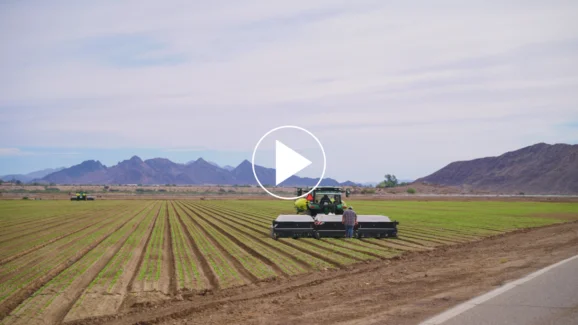
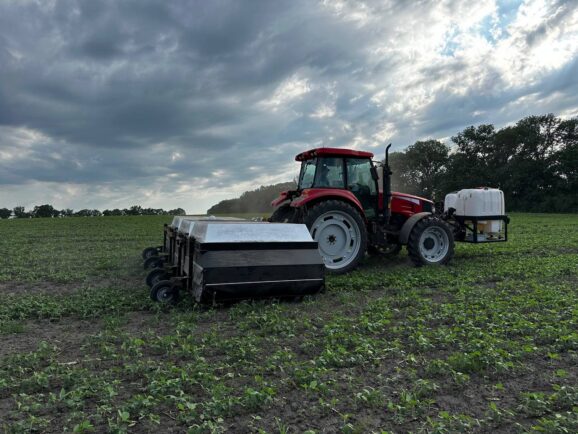
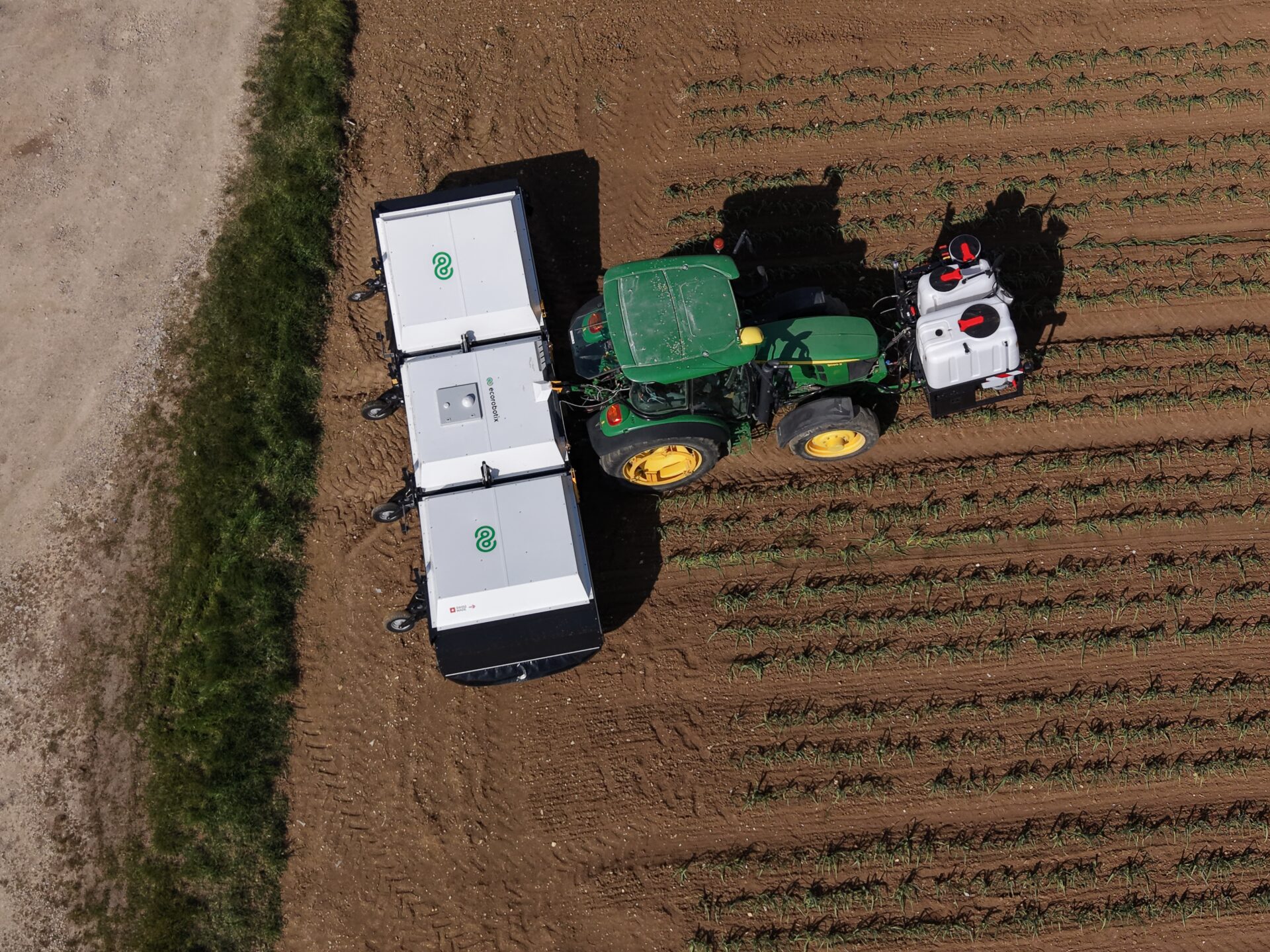
Ecorobotix ARA™ offers a new approach: AI-powered precision spraying that targets individual weeds, helping growers reduce unnecessary herbicide use and rethink how they manage weed control in garlic.
A Potential Game Changer for Organic and Regenerative Systems
ARA brings precision spot spraying to organic and regenerative farming, helping growers target weeds while reducing reliance on imprecise cultivation or expensive manual labor. By identifying individual weeds and applying an appropriate contact herbicide only where needed, ARA offers a new approach to weed management.
For organic growers, who may have to rely heavily on mechanical and manual methods, precision spraying with a suitable organic-approved product could provide an additional weed-control option. The ability to target individual weeds may also help growers address weed escapes that remain after other control measures.
Promising Early Results in Garlic
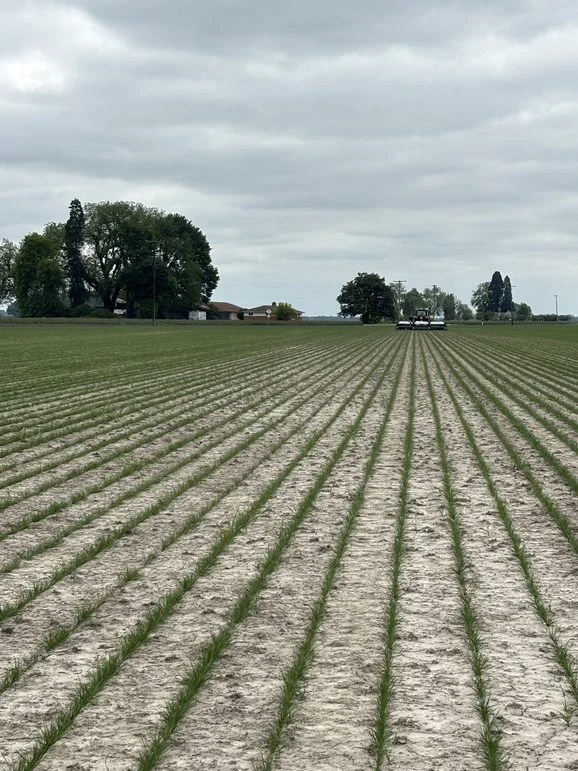
A field trial conducted in California evaluated ARA for post-emergence weed control in fall-planted garlic.
Following a single ARA spraying pass, the trial recorded a 44–50% reduction in weed density within six days, depending on the configured safety zone. The application used approximately 1.5 gallons of spray solution per acre, demonstrating the potential of precision spraying to target weeds while keeping overall spray volumes low.
The trial compared ARA with untreated plots and a spring-tooth harrow, a mechanical weed-control tool. After six days, weed density decreased by 50.3% with ARA using a 0.2-inch safety zone and by 43.8% using a 0-inch safety zone. The spring-tooth harrow alone showed a 0.4% increase in weed density, while untreated plots recorded a 2.9% reduction. These early findings suggest that ARA could offer an effective alternative or complement to mechanical weed control in the conditions tested. The trial also found no reduction in garlic vigor compared with untreated plots, including in the tested treatment configuration with no buffer between target weeds and the crop.
Why Precision Weed Control Matters in California
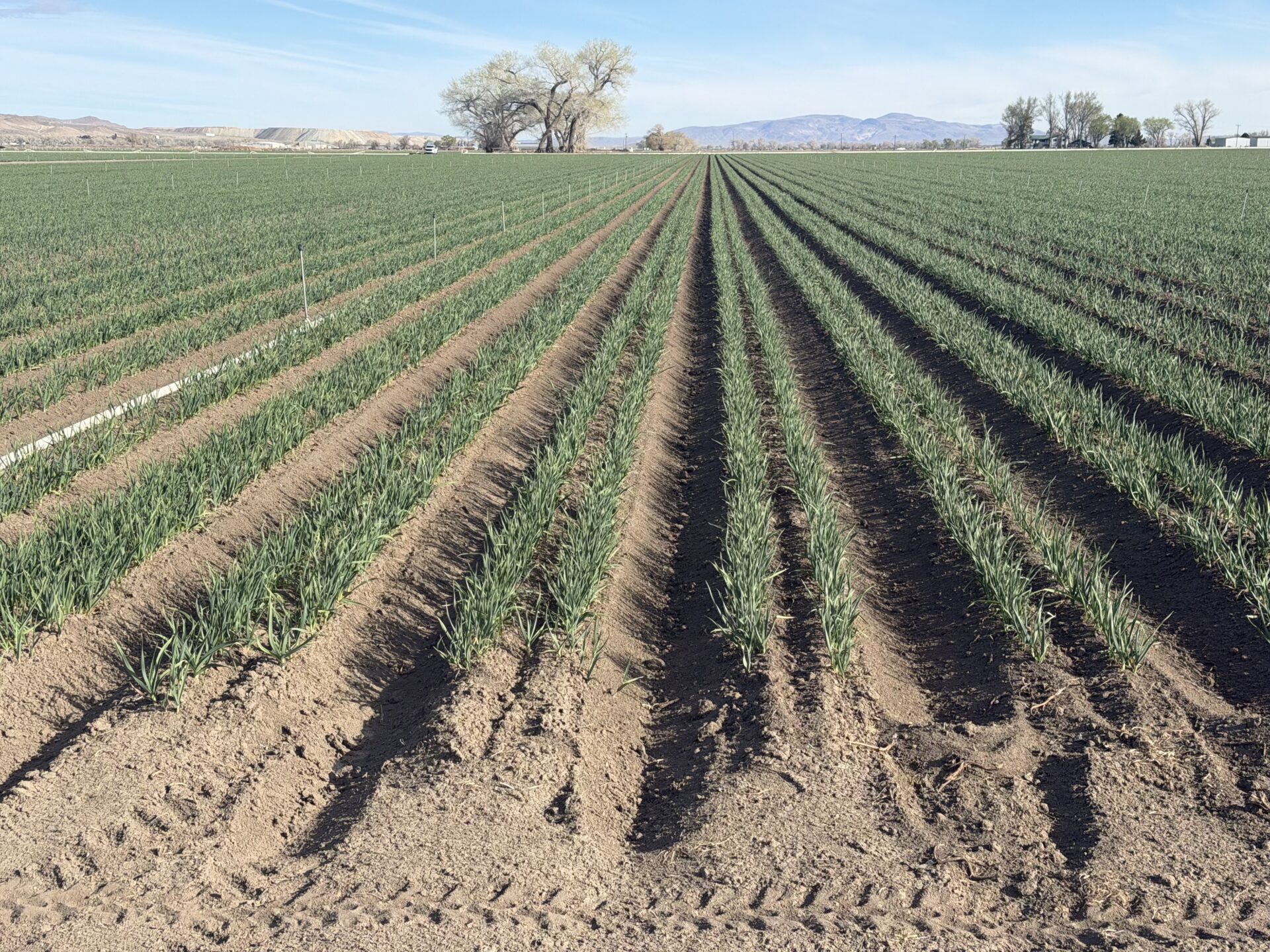
In California, garlic is commonly planted in late fall, when the rainy season begins. Weed competition can add to crop-management challenges during a period when wet conditions may also increase pressure from fungal and other diseases. By targeting weeds rather than treating the entire field uniformly, ARA may help growers manage weed pressure while reducing unnecessary product applications. Improved weed control may also help reduce competition for resources and, where field conditions permit, support better airflow around the crop.
These potential benefits are particularly relevant where growers have limited selective herbicide options or need to reduce reliance on labor-intensive weeding. However, the effects on disease pressure, crop maturity, and yield will depend on local conditions and require further validation.
More Precision, More Possibilities for Growers
ARA offers garlic growers the opportunity to rethink weed management by combining targeted applications with the potential for lower herbicide use and more efficient field operations. For growers working within organic or regenerative systems, where conventional broadcast herbicide options may be limited or unavailable, the technology could be a valuable additional tool alongside existing weed-control practices. In conventional production, it may also offer new opportunities to manage weeds while reducing the amount of product applied.
With promising early results in garlic and substantial herbicide-use reductions demonstrated in previous trials across various crops, ARA opens new possibilities for more precise and efficient weed management.