

This highlights the improvements that were needed for the model.
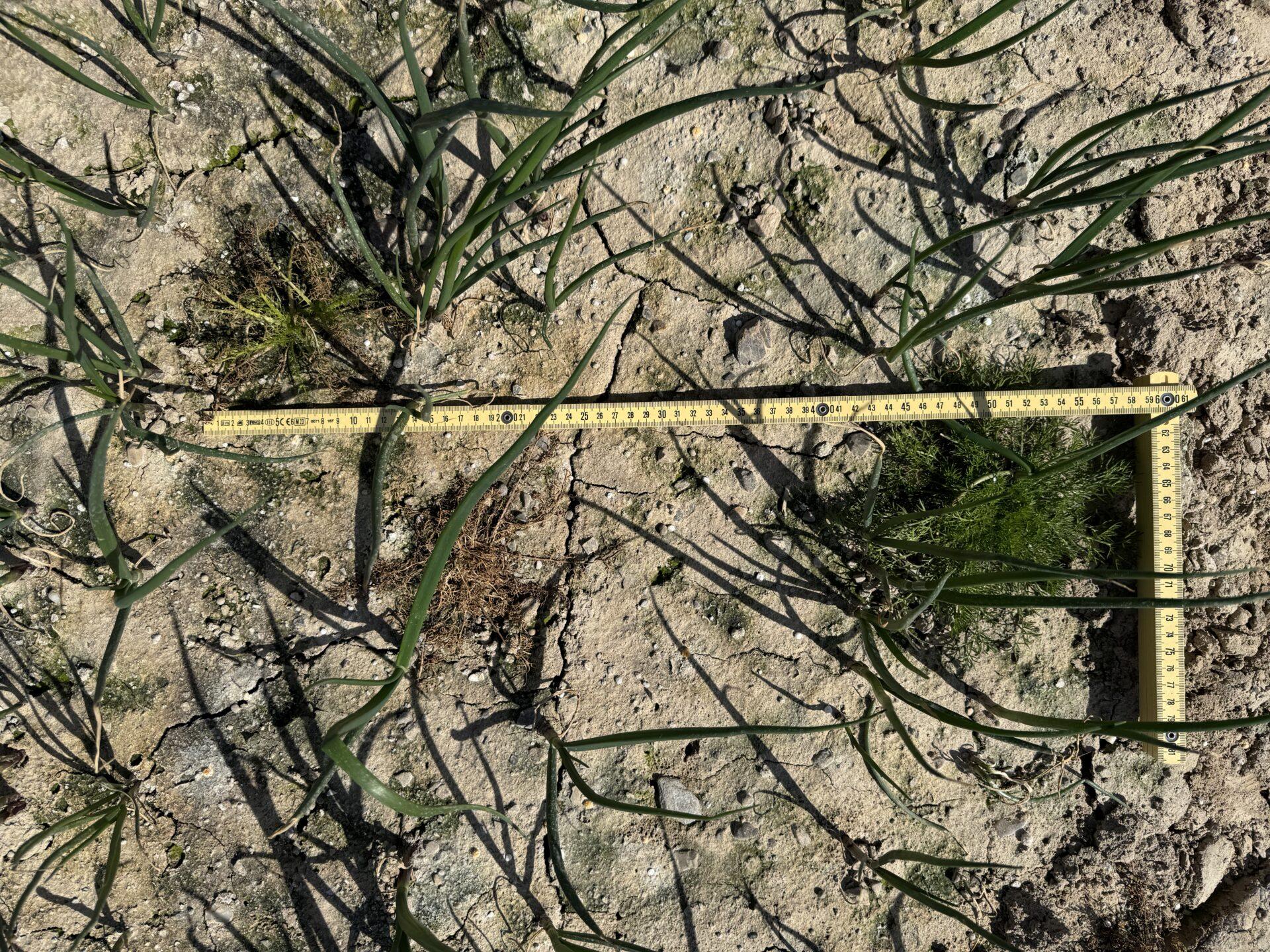
Winter onions are typically sown from mid-August to September in lowland areas and mild climates and develop two to three leaves before the onset of cold. Most weeds do not survive low temperatures, although some species persist over winter. Mayweed or groundsel, for example, often overwinter in the rosette stage and resumes growth early in spring when temperature rises. Therefore, weed control in fall is essential as mayweed and groundsel become difficult to fight using conventional solutions after their winter growth.
Ecorobotix offers an effective solution to control weeds surviving winter. The ARA ultra-high-precision (UHP) spot sprayer uses the Plant-by-Plant AI™ weeding technology to apply specific and effective dose of herbicides to fight big problematic weeds. This is particularly true in Switzerland, Germany, France, England and the Netherlands for well-established groundsel, where growers face a lack of selective molecule options.
Set up with a security zone, the ARA UHP spot sprayer can sharply apply a non-selective contact herbicide on groundsel intertwined with onions without affecting the crop development but breaking groundsel expansion.
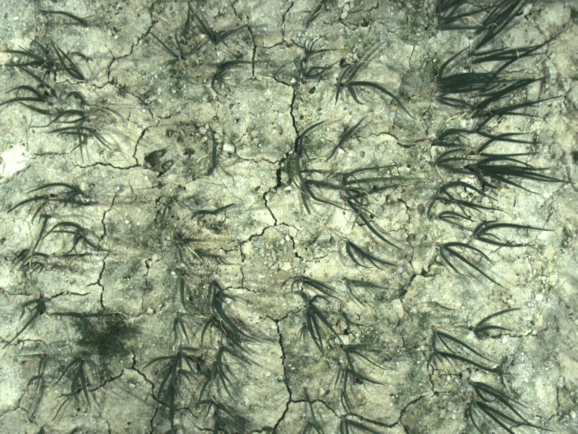
Original image
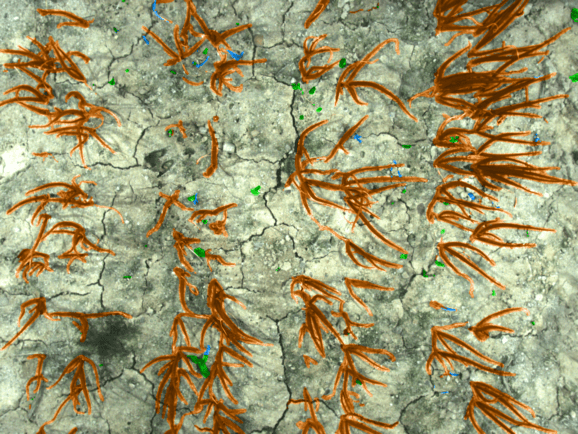
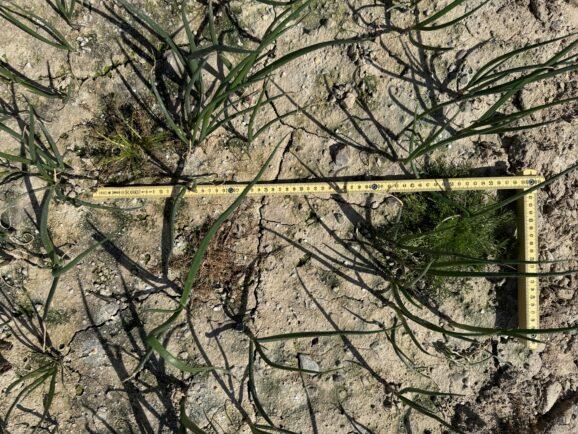
Recognition results from the old model algorithm: Mayweed not recognized
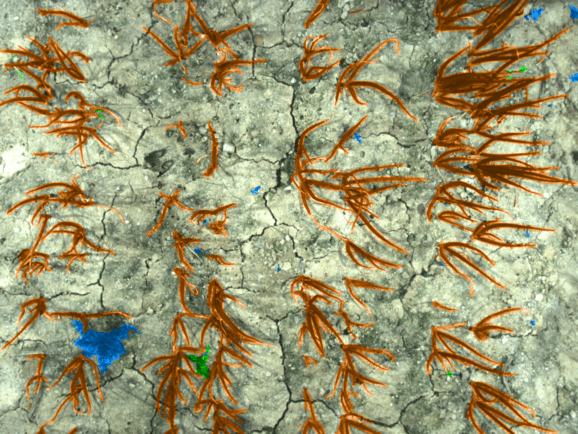
Recognition results from the new model algorithm: Mayweed recognized
Interestingly, client feedback from 2025 brought up some defects in mayweeds recognition. This issue was tackled during the off season, and the mayweed detection was improved and implemented for an updated onion algorithm for 2026. This shows the agility of the onboard software powered weeders, their constant evolution and how much feedback from our customers is crucial to keep improving our product.
By combining early-season intervention with ultra-high-precision application, the ARA UHP spot sprayer provides an efficient and targeted solution to manage problematic weeds that survive winter in onion crops. It is particularly well suited to situations where autumn treatments were not possible or effective due to weather constraints, limited time windows, or reduced control efficacy. Ecorobotix Plant-by-Plant AI™ technology helps growers to significantly reduce weed pressure in early spring, optimize herbicide use, while protecting crop development and addresses the limits of conventional weed control strategies.
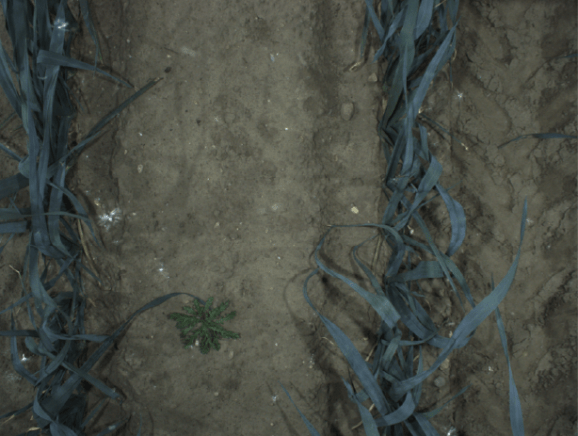
(a) Raw Image, RGB acquisition in leeks
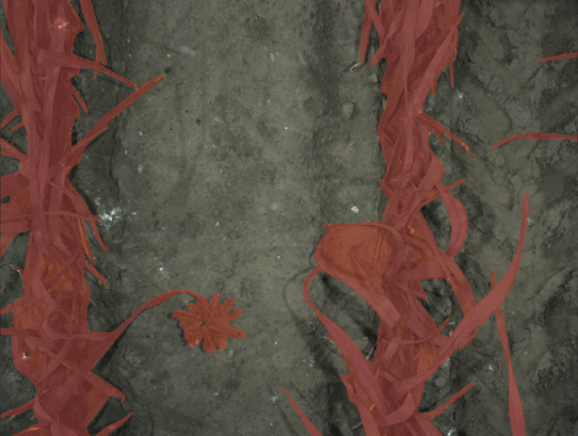
(b) Green-on-Brown in red: all plants are targeted
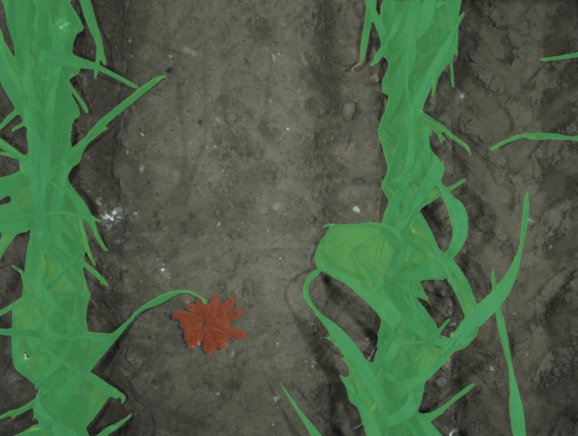
(c) Green-on-Green: only weeds are targeted (in red), crop is protected (in green)
Nowadays, artificial intelligence (AI) is at the core of farm management, from fertilization recommendations to concrete weeding solutions. Ecorobotix has revolutionized crop care by bringing very advanced technology into the field. The company offers the ultra-high precision (UHP) spot sprayer ARA, and its value is built on AI, precision, and the exact definition of the spray spot applied to the target.
ARA is not a simple sprayer. It applies plant protection products only where they are needed, and this process is driven by AI. ARA is equipped with cameras that capture live images of the field. These images are analyzed and processed by AI. Because the contrast between green plants and brown soil is high, it is relatively easy to classify each pixel as either green or brown. The resulting segmented image becomes a binary mask of green and brown pixels. This corresponds to a map where each green pixel is sprayed. This is known as green-on-brown algorithm technology. It can be used, for example, to control weeds on fallow land or before sowing. The main advantage is significant chemical savings.
To further reduce spray volumes, Ecorobotix has added a target-size feature to this all-green algorithm. This allows the operator to focus only on a specific size range of weeds that may be difficult to control with standard mixtures. A clever way to use this feature is to define a size threshold between weeds and the crop. This is especially useful in transplanted crops where no dedicated algorithm is available yet. In these cases, the size difference between transplanted crops and weeds is large enough that the threshold is easy to set. The operator can then target only green spots smaller than a defined size (and targets the weeds) within the green cover made up of larger transplanted plants and weeds.
The pinnacle of weed control, however, is green-on-green technology. Within the green pixels, the AI can distinguish weeds from crops, not only based on size but also on leaf shape, texture, position and number, as well as green shading. This technology relies on machine learning and dedicated algorithms trained for specific crops. In simple terms, field images are manually labeled plant by plant and classified as either weeds or crops. The raw image and the expected result are then provided to a computer, which identifies features and combinations of features to build patterns that allow it to recognize and classify every object in the image. This inference step corresponds to the creation of the algorithm. This algorithm is then integrated into ARA’s onboard computer and can recognize weeds within the crop, in real time in the field, and apply inputs precisely where needed.
This technology opens new possibilities in weed control and overall food security. In essence, ARA’s capabilities in these two precision spraying technologies make it possible to minimize plant protection product use, phytotoxicity induced by herbicides, maximize profitability, and support environmental stewardship, marking a new era where technology and ecology work together for the benefit of the planet. Moreover, it aligns seamlessly with European regulations and global sustainability trends, offering an environmentally friendly solution without compromising effectiveness.
At Ecorobotix, we are dedicated to delivering cutting-edge precision spraying technology that empowers farmers to significantly reduce herbicide usage. Data from nearly 3,000 missions in onion fields using our ARA ultra-high precision sprayer reveals impressive results, with nearly 70% of all missions achieving herbicide savings of 80%, and some missions saving as much as 98%.
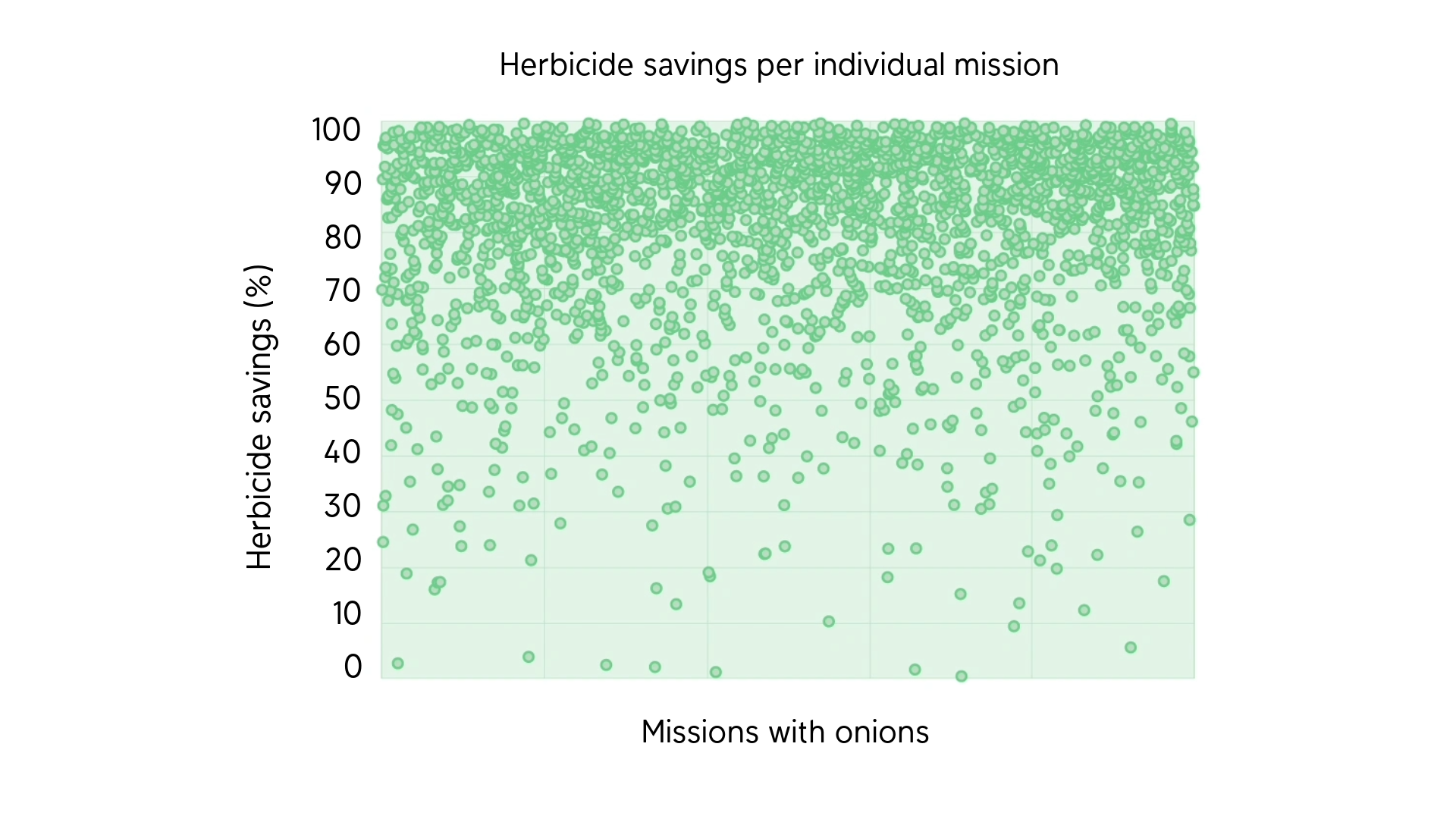
This graph shows the herbicide savings. Each dot represents a unique ARA sprayer mission, with the x-axis showing randomized onion missions and the y-axis indicating the percentage of herbicide savings, ranging from 0% to 100%.
One of the key takeaways is the consistency of these savings. Most missions demonstrate herbicide savings between 60% and 98%, with a significant concentration around the 80% mark (results depend on factors such as weed density and target type, including monocot and dicot weeds).
This data, collected from ARA sprayers deployed globally, highlights the machine’s ability to adapt to diverse field conditions.
By focusing only on the weeds and avoiding unnecessary spraying on healthy crops, ARA helps farmers reduce herbicide waste, minimizing both environmental impact and crop damage. As more farmers adopt precision agriculture, the advantages of using the ARA sprayer become even more evident. These substantial savings not only lower input costs but also contribute to more sustainable farming practices, making agriculture more eco-friendly across the globe.
Article Summary
Introduction:
It is estimated that weeds are responsible for 34% of crop losses. Therefore, weed control is the greatest challenge in agriculture to ensure food security while maintaining high health and nutritional standards. The ARA precision field sprayer from Ecorobotix (Fig. 1 A) is an efficient solution for chemical weed control. ARA uses artificial intelligence and highly precise, localized spraying technology (Fig. 1 B) to effectively combat weeds while achieving higher yields. The study compares different weed control methods: an untreated control (NT), ARA with selective products, ARA with non-selective products, and broadcast spraying.
Results:
- In 2023, the ARA field sprayer saved over 78.9% of herbicide quantities in weed control for onion crops over 1 hectare compared to traditional broadcast treatments.
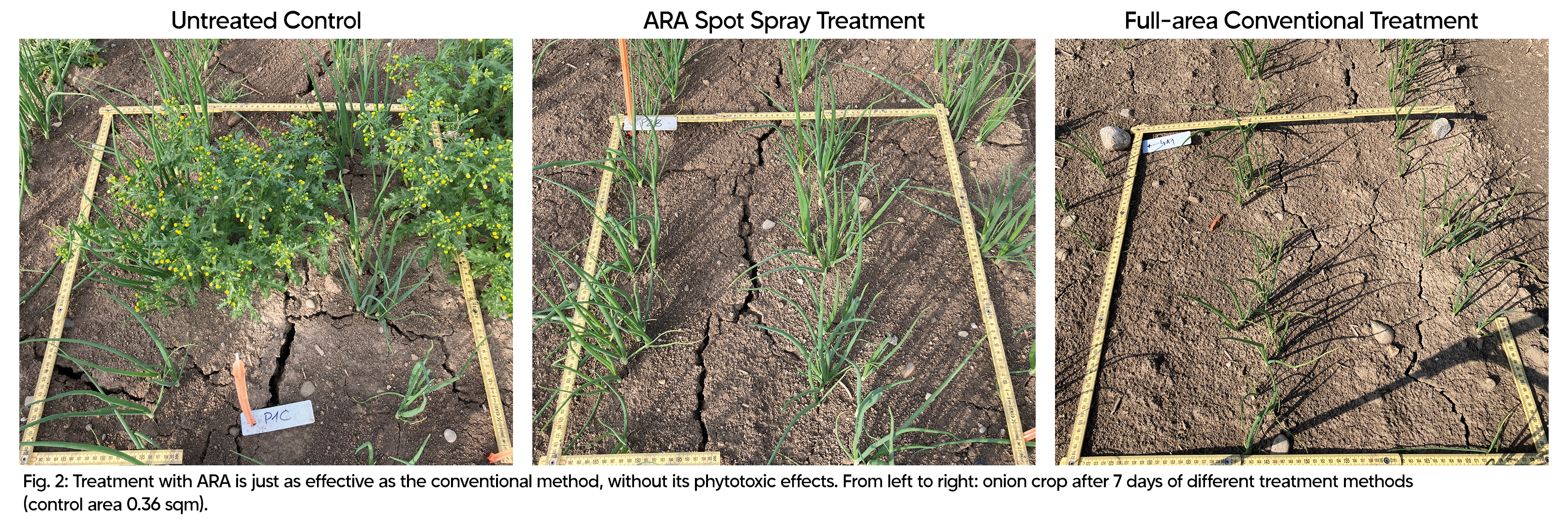
- ARA showed a global weed elimination efficacy of 92% compared to 99% for the broadcast treatment, with fewer applications (5 with ARA compared to 9 conventional) and simultaneously preserving the integrity of the crops (Fig.2).
- Weed control with ARA ensures higher yields per hectare (67 t/ha) compared to conventional application (43 t/ha) and untreated control (59 t/ha).
Summary:
In summary, ARA significantly contributes to environmental protection by drastically reducing the use of plant protection products in crops. By eliminating weeds and reducing the phytotoxic effects of chemical weed control agents, the potential of crops is maximized.
Download the entire study here
Revolutionizing the Use of Phytosanitary Products
Imagine a future where phytosanitary product usage in farming is slashed by 96%. This is no longer a dream but a reality, thanks to Ecorobotix's innovative precision spraying technology. The Vegetable Consultancy Services (VCS), a leading agronomy outfit in the UK, has reported incredible results using the ARA sprayer. As highlighted in Farmers Weekly, VCS has achieved up to 96% chemical savings across 1,000 hectares this year. This precise targeting technology not only minimizes product wastage but also shows a potential return on investment within just two to three years. Healthier crops, less disease, and higher yields are just a few of the possible benefits that come from these targeted treatments, revolutionizing field health and productivity.
Doorgrond's Success in the Netherlands
Meanwhile, in the Netherlands, Ecorobotix’s dealer Doorgrond has been setting records of their own. They have completed treatments across a staggering 15,000 hectares using the ARA sprayer, achieving up to 95% chemical savings. Doorgrond’s success story is built on a foundation of personalized service and tailored guidance, ensuring that every plot and crop receives the attention it needs.
Through the dedicated efforts of companies like Doorgrond and VCS, Ecorobotix's ARA sprayer is proving to be a pivotal tool in the evolution of precision farming, leading to more sustainable and productive agricultural practices.
About Doorgrond and VCS
Founded in 2019, Doorgrond makes precision farming accessible to agricultural entrepreneurs by introducing innovative techniques and providing personalized guidance. As an Ecorobotix dealer, Doorgrond supports the deployment of the ARA precision field sprayer in the Netherlands.
VCS (Vegetable Consultancy Services):
Established in 1996, VCS offers independent agronomy services in the UK and abroad. Their comprehensive farm support includes crop sampling, quality analysis, pest and disease monitoring, and yield prediction. VCS integrates the ARA sprayer into their operations, demonstrating its efficacy in reducing chemical use and improving crop management.
Three different procedures were utilized. The first approach entailed leaving the sugar beets untreated, allowing weeds to grow freely. The second, applying herbicides using a broadcast sprayer. Lastly, employing our ARA to precisely target and spray the weeds.
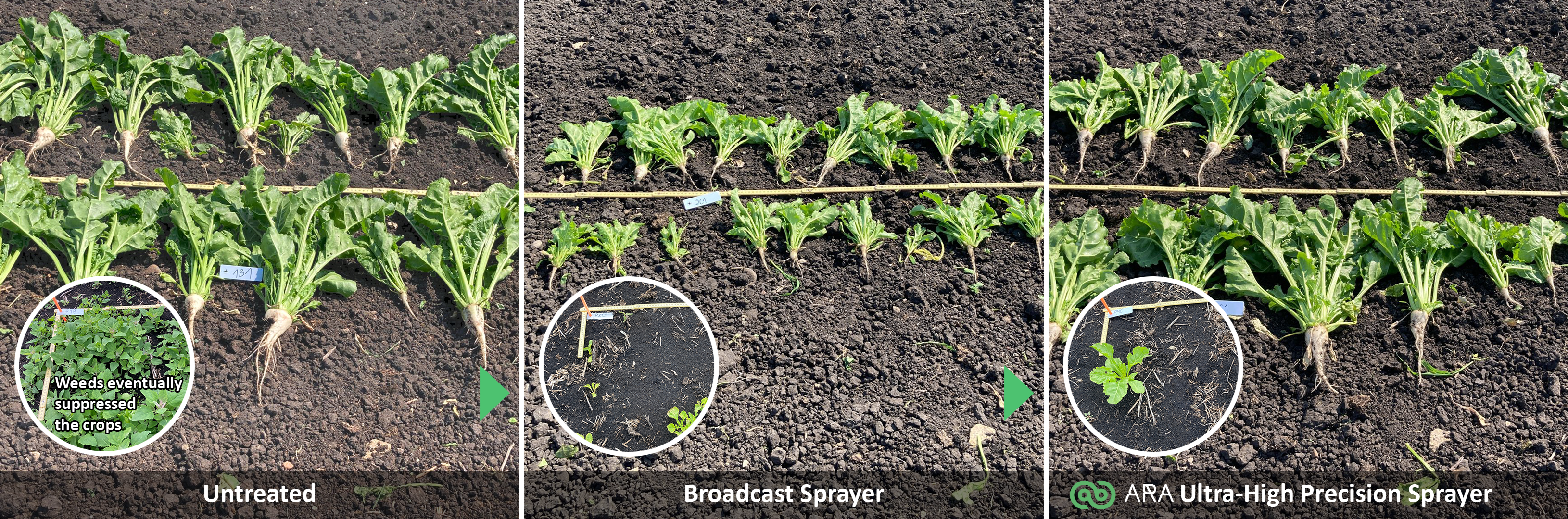
After a growth period of 10 weeks, it was concluded that ARA could successfully eliminate weeds and greatly reduce herbicide consumption by around 85% (compared to conventional broadcast spraying methods).
The untreated sugar beets exhibited satisfactory growth initially, but the excessive weed presence would have eventually overtaken and suppressed the crop. The utilization of ARA on sugar beets proved advantageous, leading to an almost twofold increase in crop biomass compared to broadcast spraying. This outcome strongly suggests the effectiveness of ARA's sugar beet algorithm in preserving the health and abundance of crops by mitigating phytotoxicity.
These results not only show potential economic advantages for farmers by enhancing crop yield through phytotoxicity suppression but also support the adoption of environmentally sustainable approaches.
Note: It's important to note that the results mentioned may not be representative of all situations and conditions. Local factors such as soil health, field history, herbicide choice, and growing conditions can influence the effectiveness of ARA. To further validate ARA’s capability, additional studies are currently underway, and results will be published later this year.
In a recent trial, the ARA was used to detect and spot-spray volunteer potato regrowth in an onion field. The survival potential of the regrowth was evaluated based on the presence or absence of green leaves 18 days after treatment. After just one pass with ARA, 79% of the regrowth was effectively eliminated, while the remaining 21% was damaged and very likely to die off in the next few days.
Many Ecorobotix clients have expressed satisfaction with the results achieved by ARA in treating volunteer potatoes. Jorick Lambers, a Precision Agriculture Specialist at Doorgrond.nl, praised the ARA for its high accuracy in addressing this specific issue. He also highlighted ARA’s elimination of manual labor and the ability to cover more acreage per hour with greater precision than traditional methods.
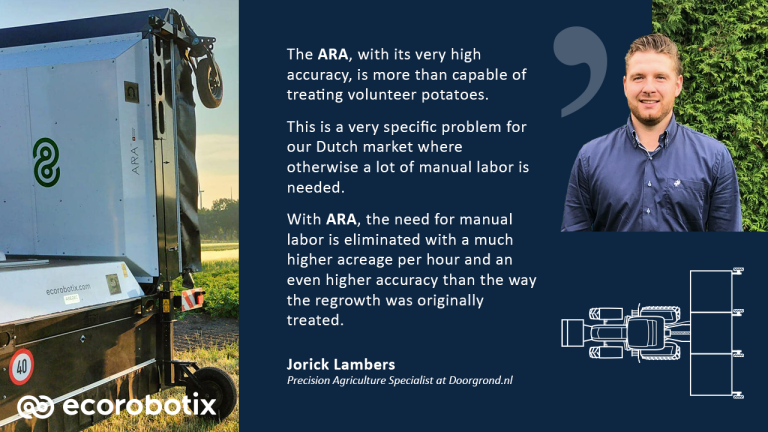
ARA's ability to provide selectivity through artificial intelligence has the potential to overcome various agronomic challenges, such as the war on volunteer potatoes in vegetable crops. The versatility of ARA’s software algorithms allow for customization to suit a variety of agricultural contexts, paving the way for further advancements in the field.
Note: It's important to note that the results mentioned may not be representative of all situations and conditions. Local factors such as soil health, field history, herbicide choice, and growing conditions can influence the effectiveness of ARA. To further validate ARA’s capability, additional studies are currently underway, and results will be published later this year.
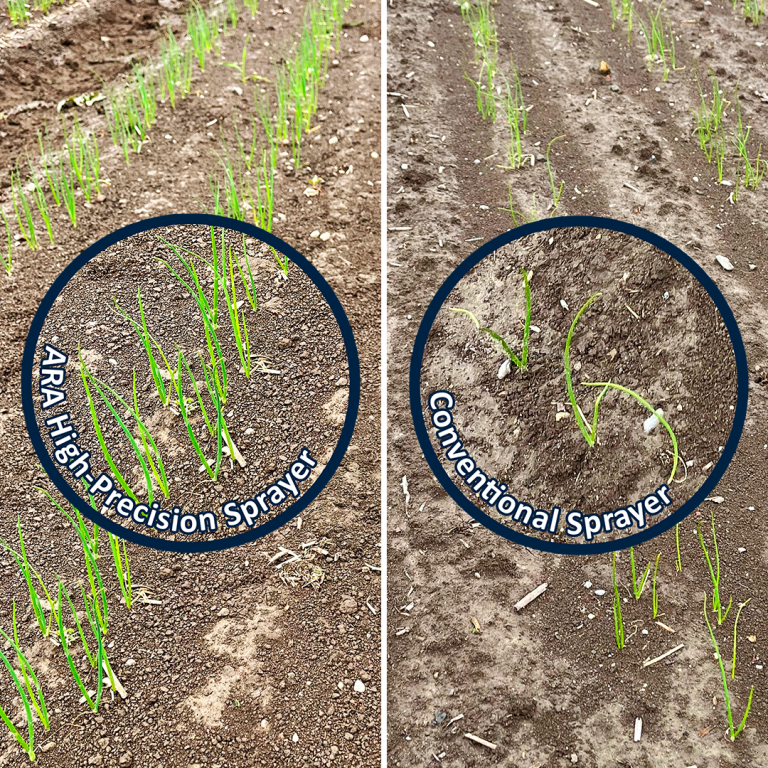
Preliminary Results
The team noted a clear growth defect on the onions sprayed with the conventional sprayer, the onions are considerably smaller than the onions in the plots treated with ARA. Overall crop health with the ARA sprayer seems much higher than with the conventional spraying method, even when increasing the dosages of the herbicides used.
Further testing will be completed, and conclusive results are to be published towards the end of the season.
More articles about onions : > types-of-crops/onion/
Project Biospray is an industrial challenge project: the goal is to adapt Ecorobotix's ultra-high precision technology to meet the needs of biocontrol applications and conduct field trials.
‘Natural’ herbicides can be used to treat weeds but can also harm the crops if they are broadly sprayed so they are best delivered by an ultra-high precision sprayer which targets individual plants, spraying only weeds but not crops.
Steve Tanner, CTO Ecorobotix
Sugar beet was selected as the crop for the trials because few chemical synthetic herbicidal active ingredients are available today and further reductions are expected in the coming years.
Therefore, the Biospray project targeted three crop care applications in sugar beet: selective application of pelargonic acid (organic herbicide), azadirachtin and spintor (two organic insecticides).
The field test results across two seasons showed satisfactory weeding results and a reduction in insecticide use. Furthermore, herbicide savings of ~70-95% can be made using ARA's Ultra-High Precision Sprayer.
More agronomic tests are needed to validate the exact efficiency of these new biocontrol products and fine-tune machine performance for this use-case.
Biocontrol products can be used both in conventional farming and bio/organic farming. However, the formal homologation of these biocontrol products is still ongoing for use in organic/bio farming.
Project Biospray is supported by the agROBOfood programme. This EU initiative promotes the effective adoption of robotic technologies and accelerates digital transformation to make the European agri-food sector more efficient and competitive.
There are currently only a few selective products registered that can be used on lettuce. So producers have to use non-selective products. Our highly accurate spot spraying is essential because it allows producers to secure a 4 cm spray-free zone around each individual crop plant. This means that weeds can be sprayed with non-selective herbicide (if allowed in the respective country) without any crop being affected. And the other way round for fertiliser. What we actually make possible is to apply a non-selective product in a selective way.
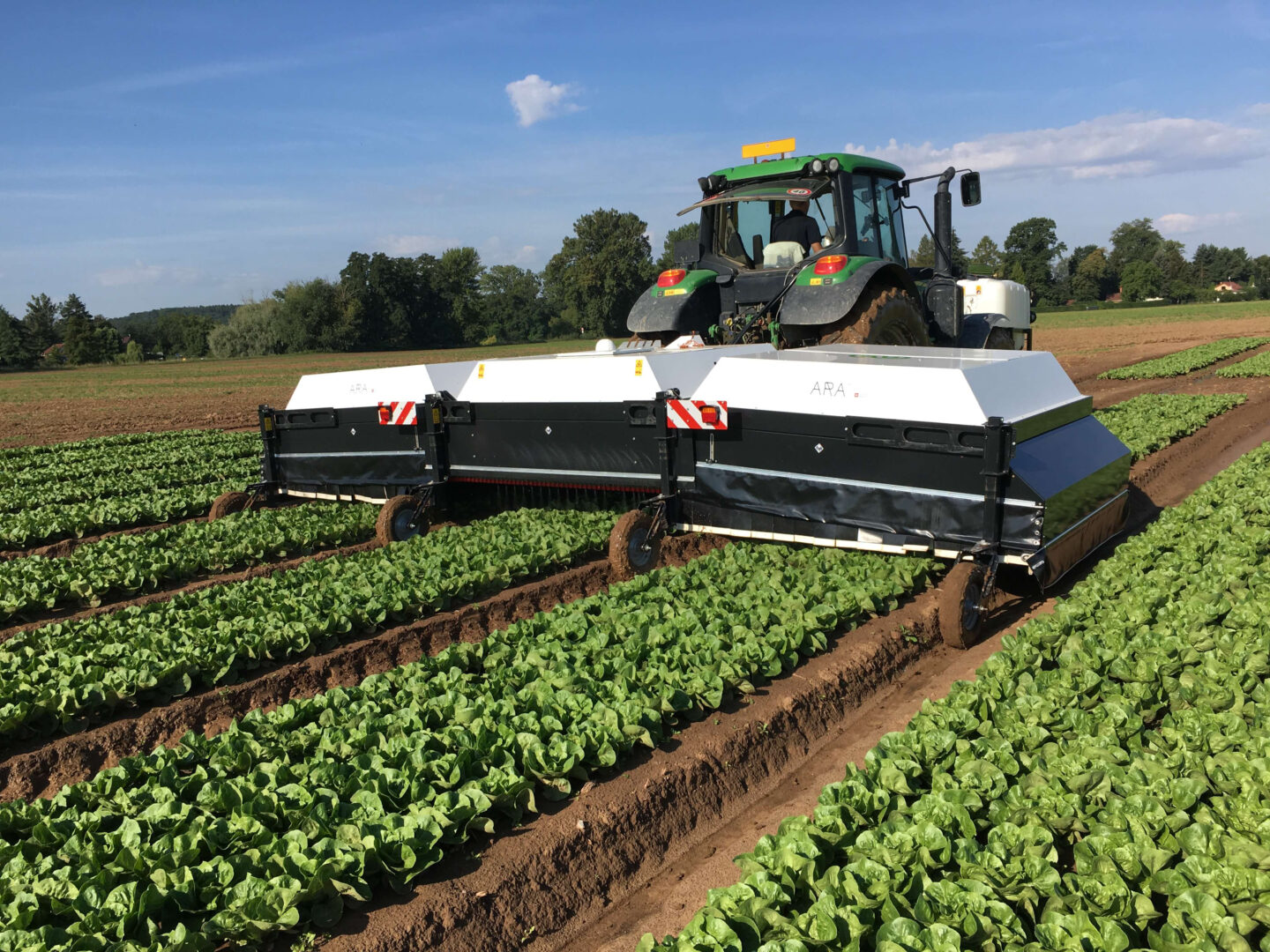
Our algorithm is currently available for iceberg lettuce. We've already applied successful treatments in many different countries:
- The Czech Republic, for Leading Farmers
- France, for Floréale (producer of Florette salads)
- Spain, at Bonduelle
- Germany, at Agravis
More varieties on the way
Lettuce comes in many different varieties. To meet the very diverse needs of salad producers, our team are working hard to get our algorithm to various species. It means being able to visually detect additional lettuce and additional weeds, on various soil types and lots of additional parameters.
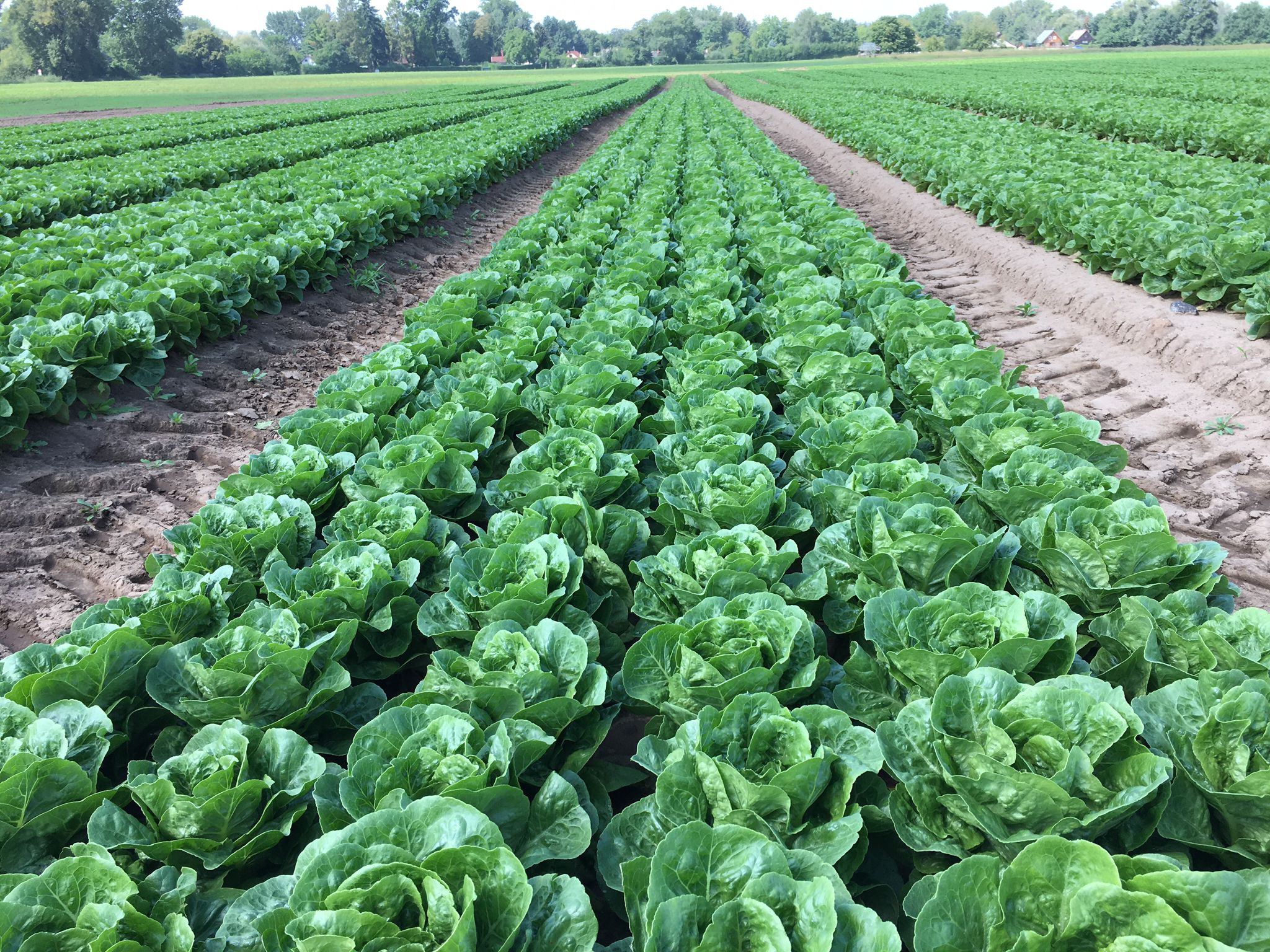
Our team has already advanced a lot on visual recognition for additional varieties such as romaine lettuce, red Batavia and oak leaf salad. These are being validated and will be available soon for ARA users. We've made enough progress to offer a few demonstrations.
Demonstration in Switzerland
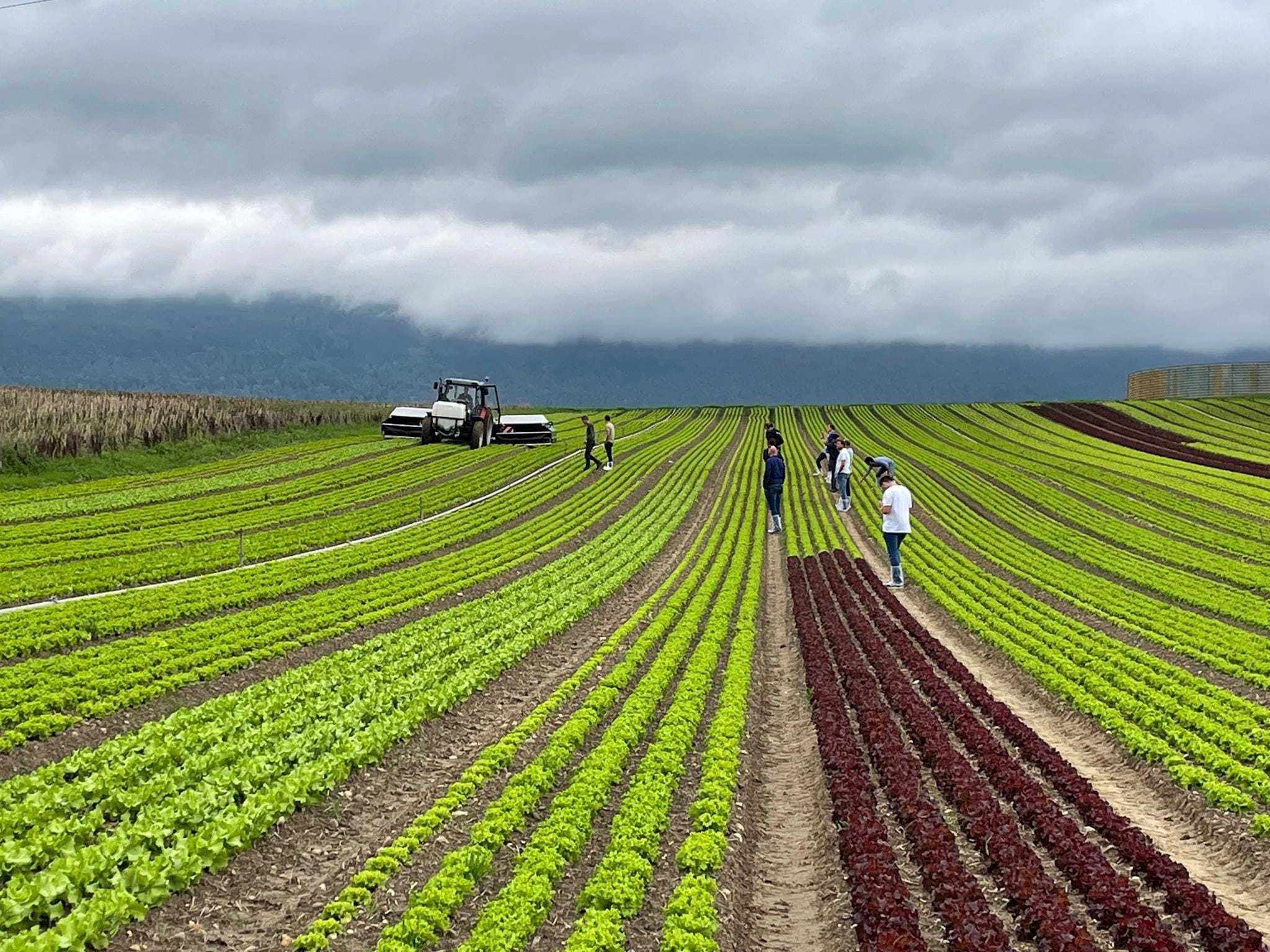
In the early days of autumn, 2002, we showed how efficient ARA is in lettuce processing to the Association of young European market gardeners. The demonstration happened while the association was visiting Stoll Production SA in Yverdon-les-Bains (Switzerland), very close to Ecorobotix headquarters.
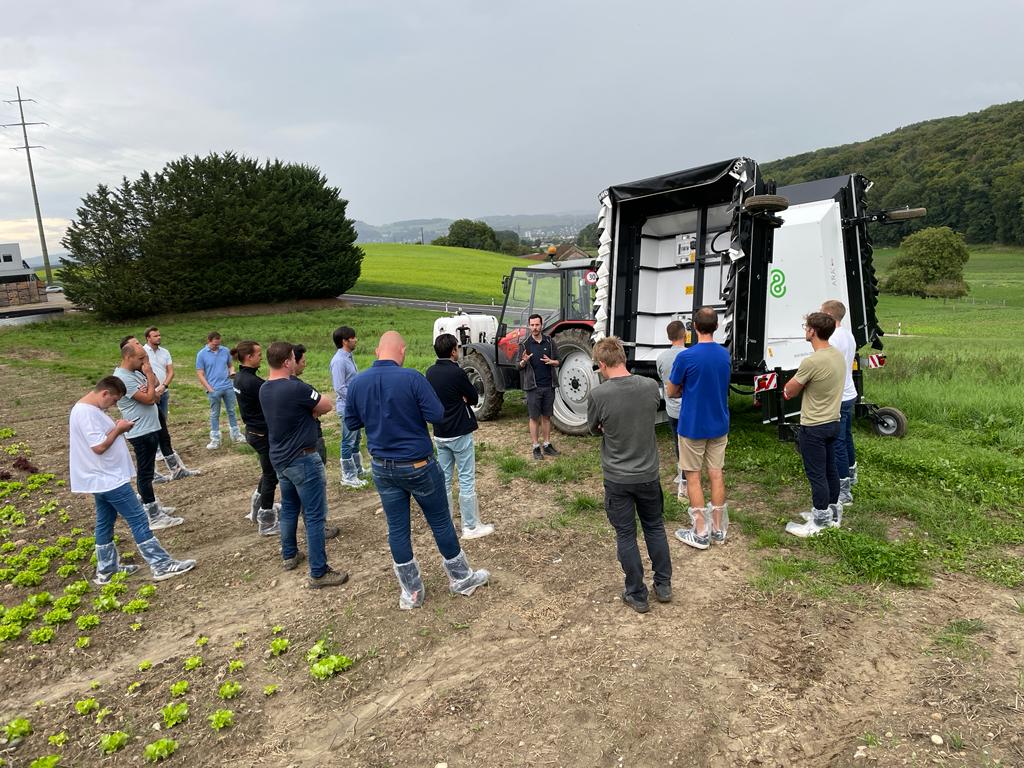
This demo showed the processing of many varieties: iceberg lettuce of course, but also red Batavia and oak leaf salad.
These young professionals were impressed by the results, spraying accuracy and sparing of chemicals. Our thanks to Julien Stoll for organising this meeting and interesting conversations!