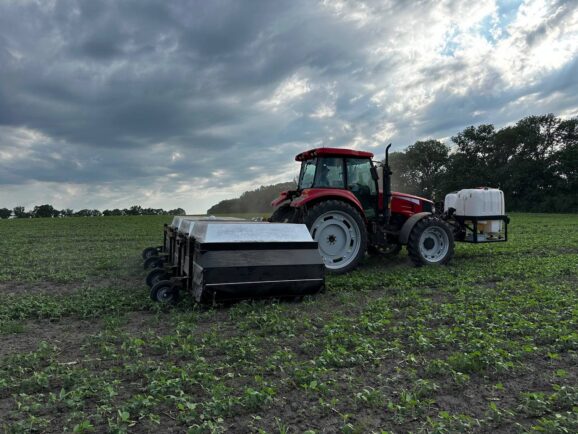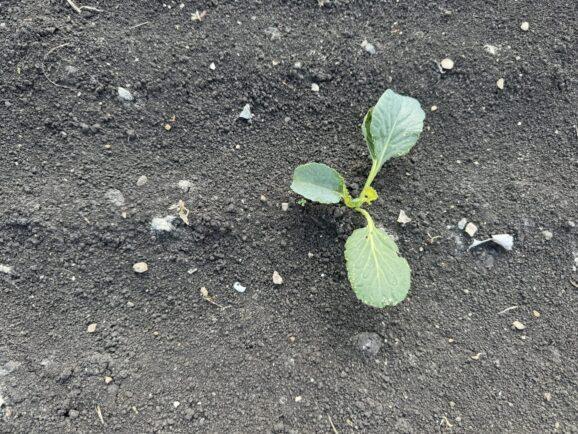


Weeding is at the heart of farming practices as weed directly competes with crops for resources, slowing down the harvest process and negatively affecting yield and its quality. To date, growers are dependent on a bunch of molecules, certified and compatible with a particular crop. Recently, concerns about the effects of plant protection products on human health and the environment have led to a significant reduction in the number of herbicide molecules available to European growers. Though unwavering, this shift toward more sustainable farming practices creates huge challenges and raises concerns about growers’ ability to maintain effective weed control in their crops.
In 2024, the European Commission announced the withdrawal of metribuzin, a key molecule commonly used by carrot growers, with a grace period that expired in November 2025. Prior to this deadline, Ecorobotix agronomists have addressed this issue and tested an effective weeding program using alternative molecules to metribuzin for the 2025 carrot season.
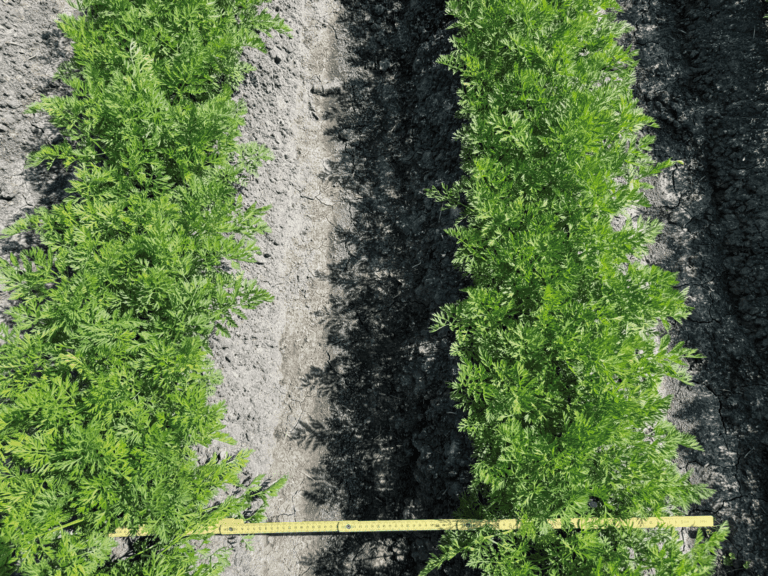
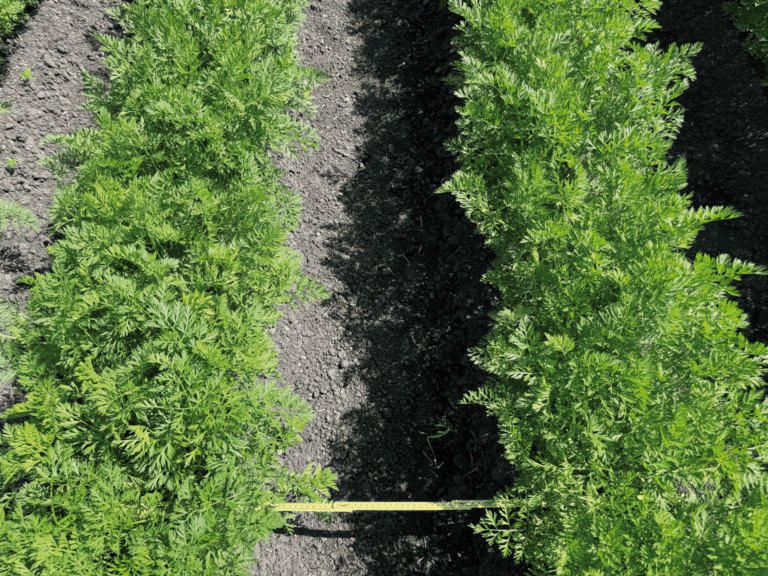
On a context of high weed pressure (multiple waves of weed germination), the plant-by-plant weeding by ultra-high precision (UHP) spot-sprayer ARA™ was very efficient in weeding up to stage 5 leaves of the crop, despite not using metribuzin molecule. After that stage, carrots created a canopy over new emerging weeds such as lambsquarters and pigweed (chenopodium and amaranthus). Those weeds are particularly difficult to control because they can germinate and grow despite low light intakes. Those hidden weeds were not seen by ARA™’s cameras, not detected by artificial intelligence and obviously not sprayed. The new challenge now is to combine the ARA™ solution with other weeding solutions for late germinating weeds after that critical point of 5 leaves and keep weed control all through the season. Nevertheless, the spot spraying application of chemicals (5 paths including a broadcast pre-emergence treatment) reduced the volume of herbicides by 80% percent compared to a full spray equivalent. Moreover, the rows closed faster in ARA™ modality compared to farmer’s reference, suggesting higher biomass production. Indeed, yield quantification shows that ARA™ modality tends to provide higher yield compared to the conventional modality reference by 10%, showing phytotoxicity induced by herbicides negatively affects production. Strikingly, the same protocol combining pendimethalin, clomazone, aclonifen, pyridate, prosulfocarb and clethodim was applied later in the season in another field with a slightly delayed planting date. At harvest, weed pressure from lambsquarters and pigweed (chenopodium and amaranthus) was lower compared to the first trial, likely due to different germination dynamics. Observations showed that the ARA™ maintained effective weed control throughout the trial. This demonstrates that a slight delay in planting can be an effective agronomic lever to reduce weed pressure.
Through such trials, agronomists at Ecorobotix come up with alternative technical itineraries to conventional solutions using the ARA™ UHP technology in combination with effective mixtures, maximizing yield potential and leveraging sustainable farming.